
HOUSE
PAINTING inside and out, start to finish

- Free quotes
- Itemized written quote
- Since 2010
- Open 7 days
One plan for the whole house: interior rooms, exterior siding and trim, doors and railings, scheduled in a sensible order, itemized on a single written quote and finished with two or more coats on everything we paint.
The whole house
House painting in Toronto, inside and outside
House painting, or residential painting as some quotes call it, brings the interior and exterior of a home together under one project. Inside, that means walls, ceilings, trim, doors and stairwells. Outside, it covers siding, soffits, fascia, window and door frames, porches and railings, plus porch ceilings and the frames around the entry. All Painting has painted houses since 2010, and many of those projects began as a single room and grew once the owner saw that one schedule and one quote could cover everything. You can include the lot or pick only the parts that need attention this year.
The owners who ask us for home painting on this scale tend to fall into a few groups. Buyers who have just taken possession want every room in their own colours before they unpack. Sellers want a clean, neutral interior and a fresh face outside before the listing goes live. Long-time owners notice peeling trim on the sunny side, a faded front door and scuffed hallways all at once, and would rather deal with them together. Landlords repainting a rental house between tenants fit here too, as do families wrapping up a renovation and ready for the last step.
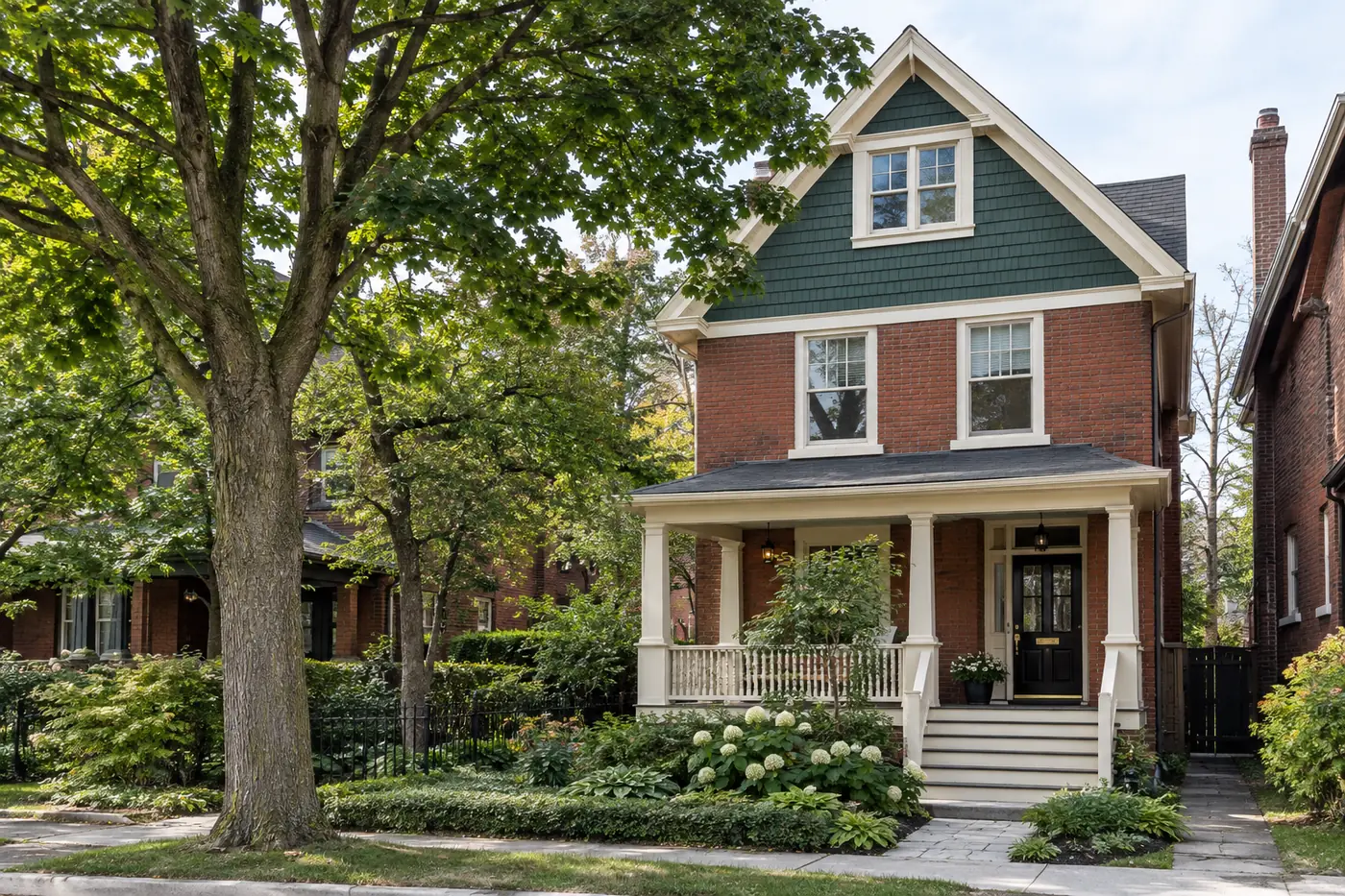
A well-painted house looks consistent from the curb to the bedrooms. Outside, the colours sit together, trim lines are crisp against the siding, and no bare wood shows at sills or the bottoms of door frames. Inside, one trim colour and sheen run through every room, ceilings are even, and changes between wall colours land on corners rather than in the middle of a wall. On both sides, the finish holds onto the surface because the preparation underneath was done properly, not because extra paint was piled on to hide what was left behind.
Planning a house project starts with a visit that takes in both inside and outside. We look at each elevation, note peeling or chalking paint, soft wood and failed caulking, then walk the rooms for cracks, stains and wear. Next comes the order of work. Exterior surfaces are scheduled for dry spells in the warmer months, while interior rooms can run at any time of year and are grouped by floor so you always have a usable bedroom and kitchen. The written quote then breaks the house into rooms and elevations, each priced as its own line.
Interior rooms
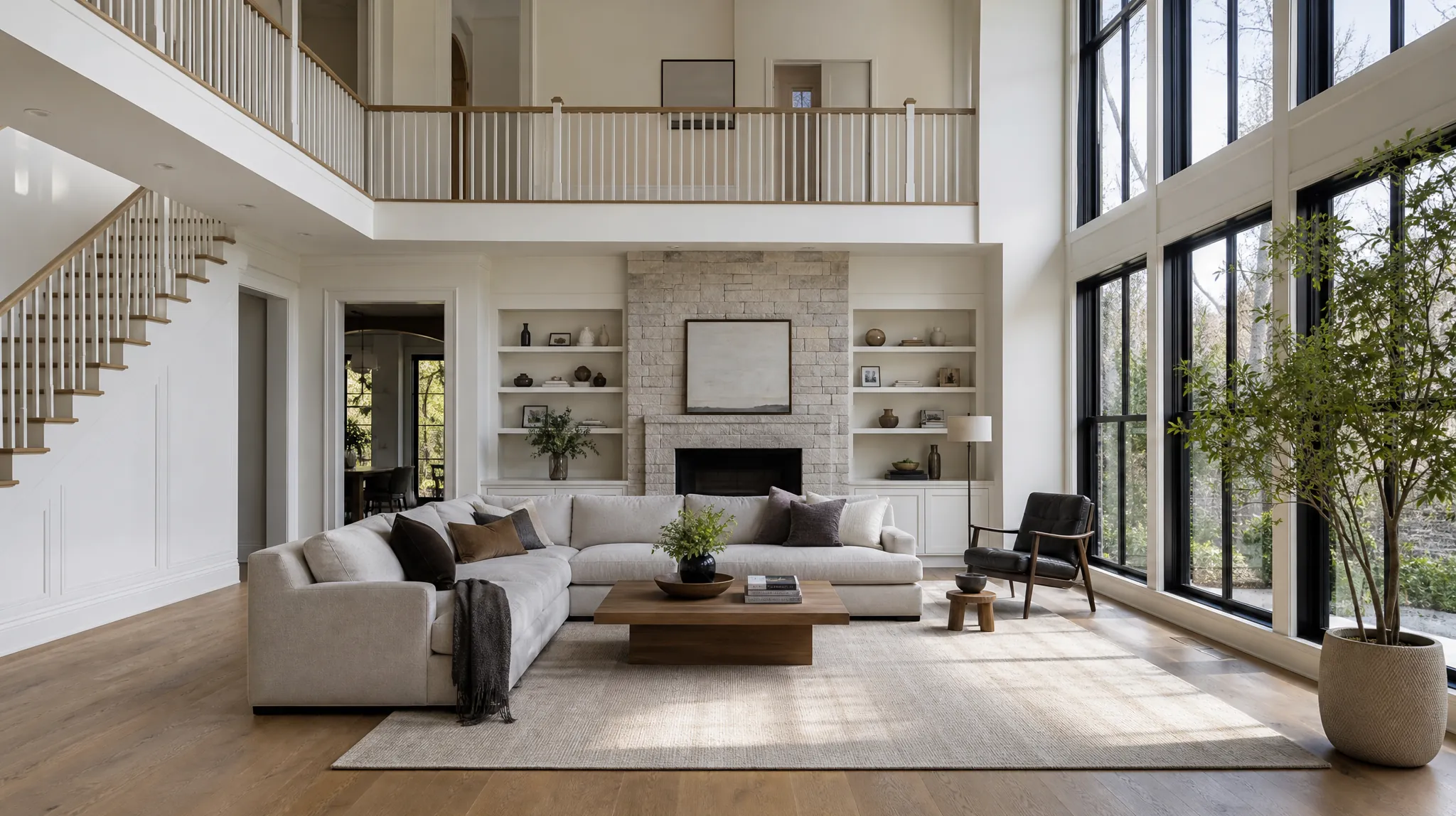
Living areas, bedrooms, kitchens, bathrooms, hallways and finished basements, along with ceilings, baseboards, casings and doors. Walls are patched and primed, then finished with two or more coats in whichever colour and sheen each room calls for. Each room appears as its own line on the quote.
Exterior walls and trim
Wood, aluminum and fibre cement siding, soffits, fascia, window frames, porch posts and railings. Surfaces are washed, scraped and primed before any colour goes on, and the outside work is booked for dry days that fall inside the temperature range printed on the paint can.
Doors and railings
Front and back doors, garage doors, porch railings and the trim around each entry. These are the surfaces hands touch most, so they get harder enamel finishes, light sanding between coats and enough drying time before anyone leans on them or swings them shut again.
Porches and entrances
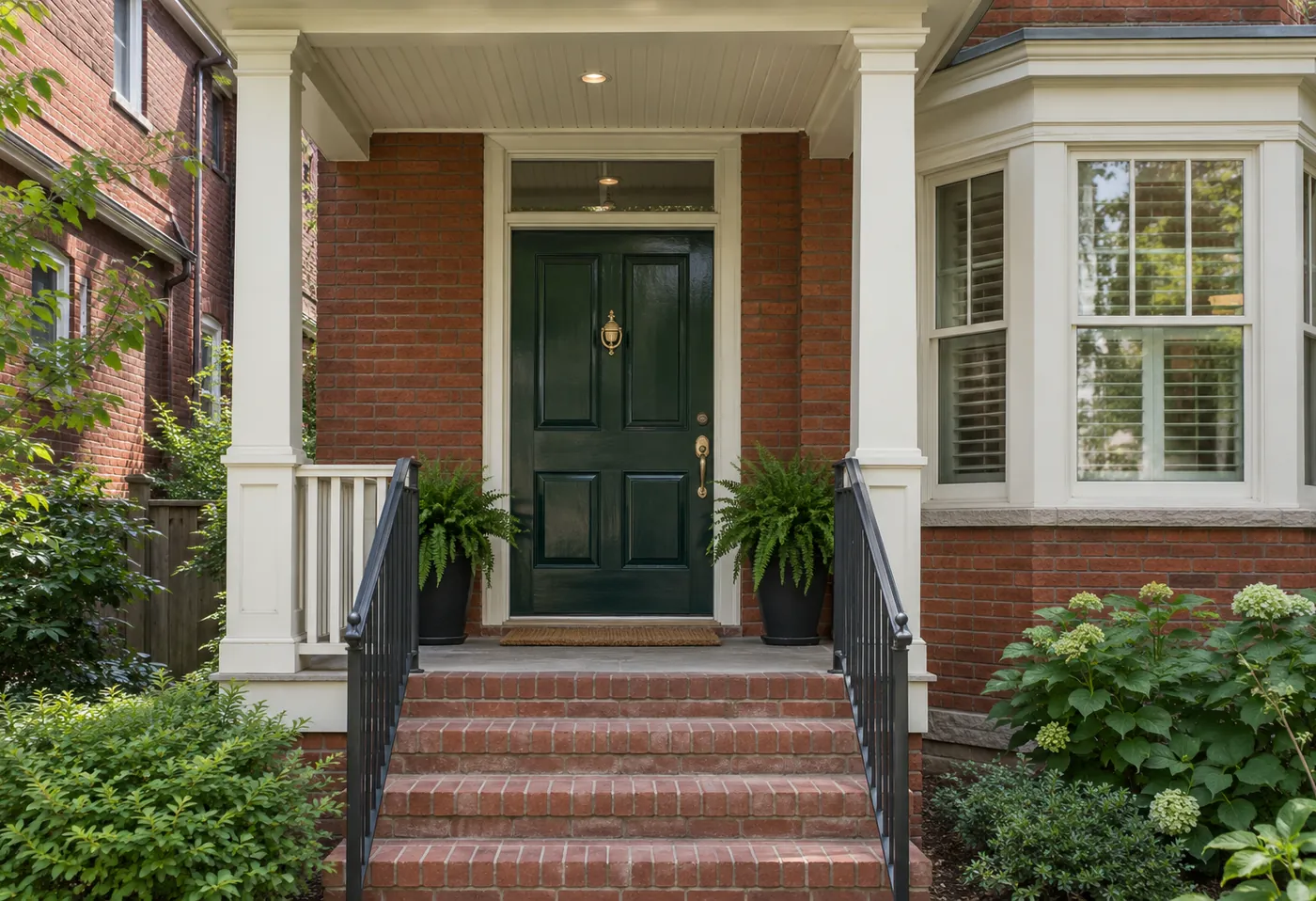
Porch ceilings, posts, beams and the casings around the main entry are scraped, primed and painted to suit the trim scheme. These details frame the first view of the house from the sidewalk, so lines are kept crisp wherever porch trim meets brick, stone or siding.
How we paint a house, surface by surface
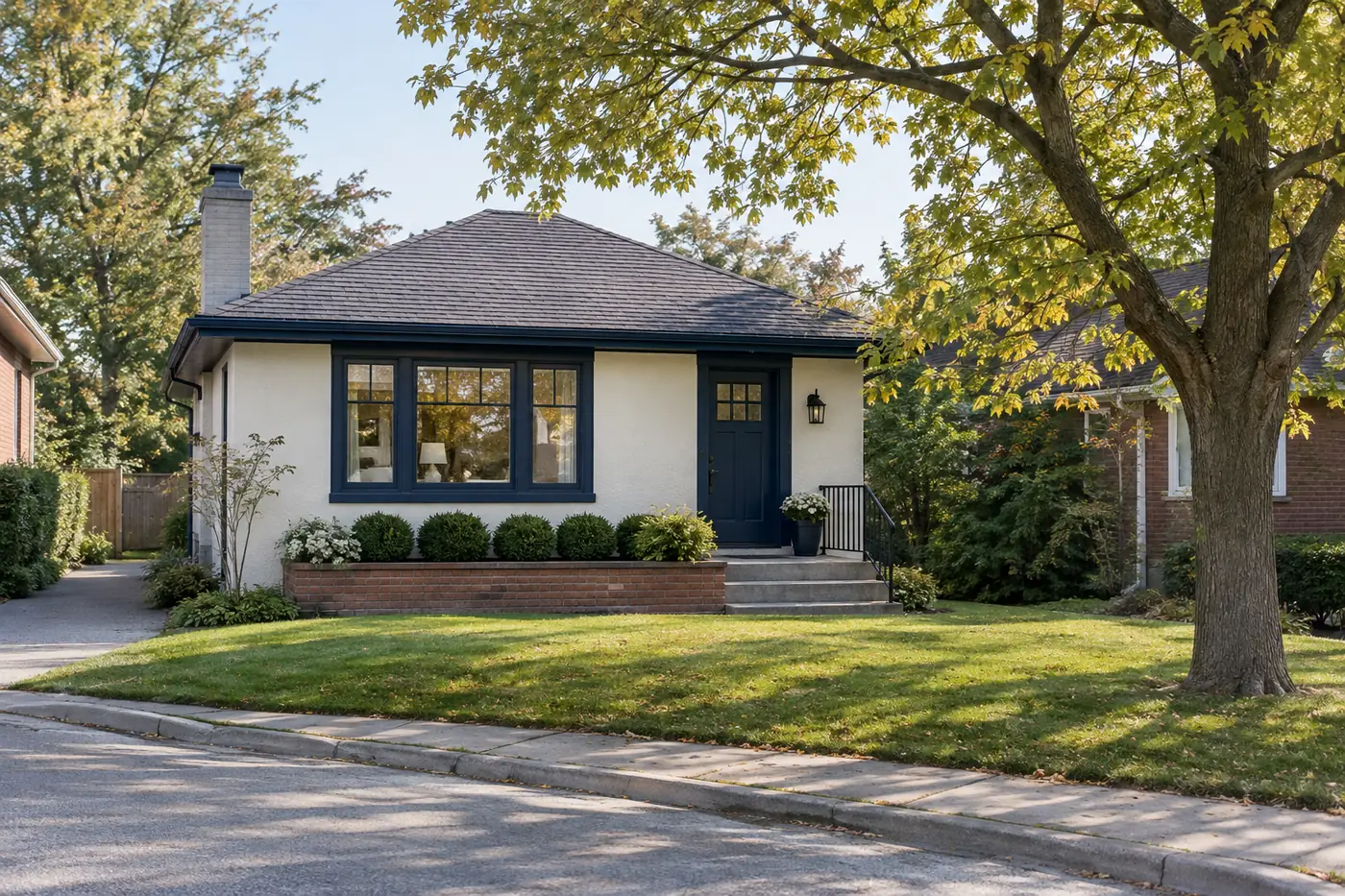
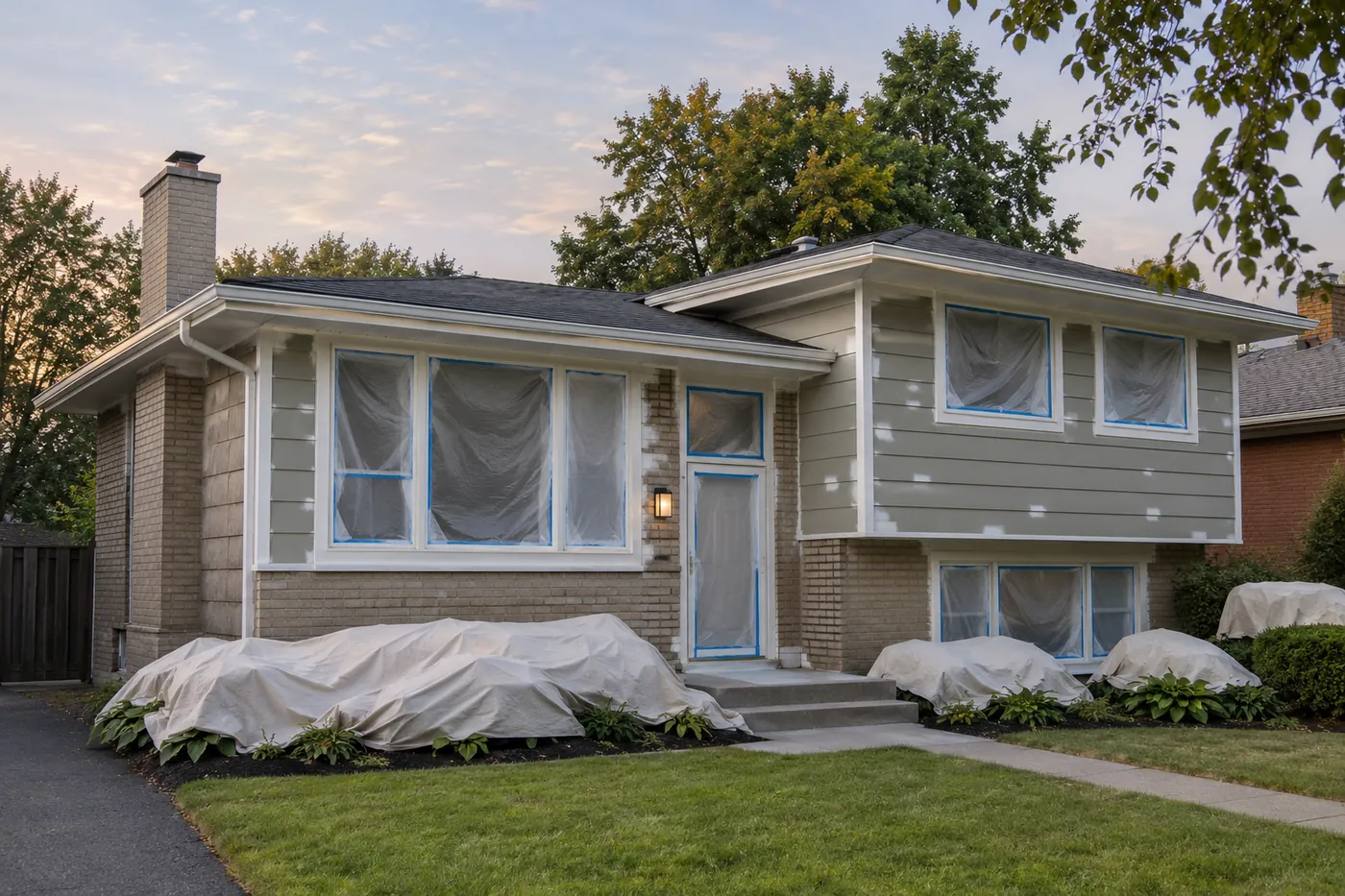
Outside work starts with cleaning. Siding and trim are washed clean of dirt, mildew and the chalky residue that old paint leaves behind, then allowed to dry fully. Loose and peeling paint is scraped, the ridges left behind are feathered smooth, and bare wood, rust spots and knots are primed. Failed caulking around windows, doors and trim joints is cut out and replaced. Colour then goes on from the highest point of each wall downward, following the sun around the house so paint is not brushed onto boards baking in direct afternoon heat.
Inside, rooms are prepared in groups. Sofas, beds and dressers are shifted and wrapped, floors and stairs disappear under drop sheets, and switch plates and removable hardware come off. Holes and cracks are filled and sanded smooth, glossy surfaces get a light scuff, and gaps along baseboards and casings are caulked. Each room is then painted in order: ceiling, walls, trim and doors. No surface gets fewer than two finish coats, and the recoat time on the can is respected even when a wall feels dry to the touch, because paint recoated too early stays soft underneath.
Where inside and outside meet, the details need extra care. Front doors are painted on both faces, with the colour change landing on the edge you see when the door swings open. Window sashes and frames are finished so they do not stick shut, and weatherstripping is kept free of paint. Basement walls, garage interiors and porch ceilings are easy to forget until the end, so they are listed on the quote from the start. Once both halves are done, the house is reviewed as a whole before anything is called finished.
Reviews
What clients say
Why hire professionals
Why use a professional for a full house repaint
A house repaint is a large, multi-stage job with ladders, weather, furniture and drying times to coordinate. Doing it yourself usually means months of weekends. Hiring house painters turns it into one planned project with a clear scope, a written quote and a predictable order of work from the first room to the last wall. What past clients say about this kind of project is on our client reviews page.
Safe work at height
Second-storey trim, gable peaks and tall foyers need proper ladders, planks and setup. Working at height every day is routine for a painter and a genuine risk for a weekend project.
Reading the weather
Exterior paint fails when it goes onto damp wood or into cold air. A painter watches the forecast, tests surface moisture and moves indoors when the outside is not ready to be painted.
One coordinated plan
Interior rooms, exterior elevations and repairs are sequenced together, so you are not juggling separate trades and the house is never torn apart all at once from basement to attic.
Preparation at scale
Scraping, priming and caulking a whole exterior is slow, physical work. It is also what decides whether the new paint holds, so it is never skipped to save a few hours.
A clean handover
Our gear is gathered up and the property left neat every evening, and on the last day the drop sheets, ladders and leftover materials all leave with us.
Our process
From first visit to final walk-through
A house project has more moving parts than a single room, so the steps are laid out early. You see the plan on paper, you are told who is coming before the first stage starts, and each stage is reviewed before the next one begins.
Visit and assessment
We walk the outside of the house elevation by elevation, then the rooms you want painted. Peeling paint, soft wood, cracks, stains and access issues are noted, along with your timing, such as a move-in or listing date.
Colours and quote
Inside and outside colours that work together are easier to choose with real sample pots from our free colour consultation. Your quote then itemizes every room and elevation with its prep, products, colours and sheens.
Scheduling
Once you approve, the exterior is booked for a dry stretch in the warmer months and interior rooms are grouped by floor. Before day one you know who is coming and which part of the house comes first.
Prep and painting
Each area is protected, repaired, sanded and primed, then painted with two finish coats at minimum. If rain moves in, outside work shifts indoors, and nothing is left lying around when we leave for the night.
Inspection and cleanup
When everything is dry, we check each painted surface with you, inside and out. Switch plates and removable hardware go back on, drop sheets, ladders and materials are taken away and the house is left clean.
Ready to start?
Call (416) 710-4224 or send a few details and photos for a free, itemized quote.
Preparation
Getting the house ready before painting begins
Washing the exterior
Exterior surfaces are washed to remove dirt, cobwebs, mildew and chalk from old paint. Paint applied over chalk or grime bonds to the dirt rather than the house. After washing, the siding and trim are left to dry fully before any scraping or priming begins on that side.
Scraping and sanding
Blistered and lifting paint comes off with a scraper until only firmly bonded paint remains, and the edges are feathered with sandpaper so the repair does not show as a ridge under the new finish. Glossy areas inside and out are dulled with abrasive so the next coat can grip properly.
Priming wood, metal and knots
Bare wood, exposed knots and rust spots on railings or metal trim are primed using a primer made for that material. Knots are sealed so resin does not bleed through light colours, and rust is cleaned back to firm metal before any primer is applied to it.
Caulking gaps
Cracked and shrunken caulking around windows, door frames, corner boards and trim joints is removed and replaced with a flexible, paintable sealant. Inside, gaps between baseboards and walls are filled the same way so the painted edge reads as one continuous line along the floor.
Protecting the property
Drop sheets cover floors, stairs, decks and walkways. Plants, light fixtures and anything that cannot be taken down are masked. Inside, we handle the furniture; outside, we ask you to move patio sets, planters and decorations away from the walls before the first day.
Products and finishes
Exterior acrylic latex
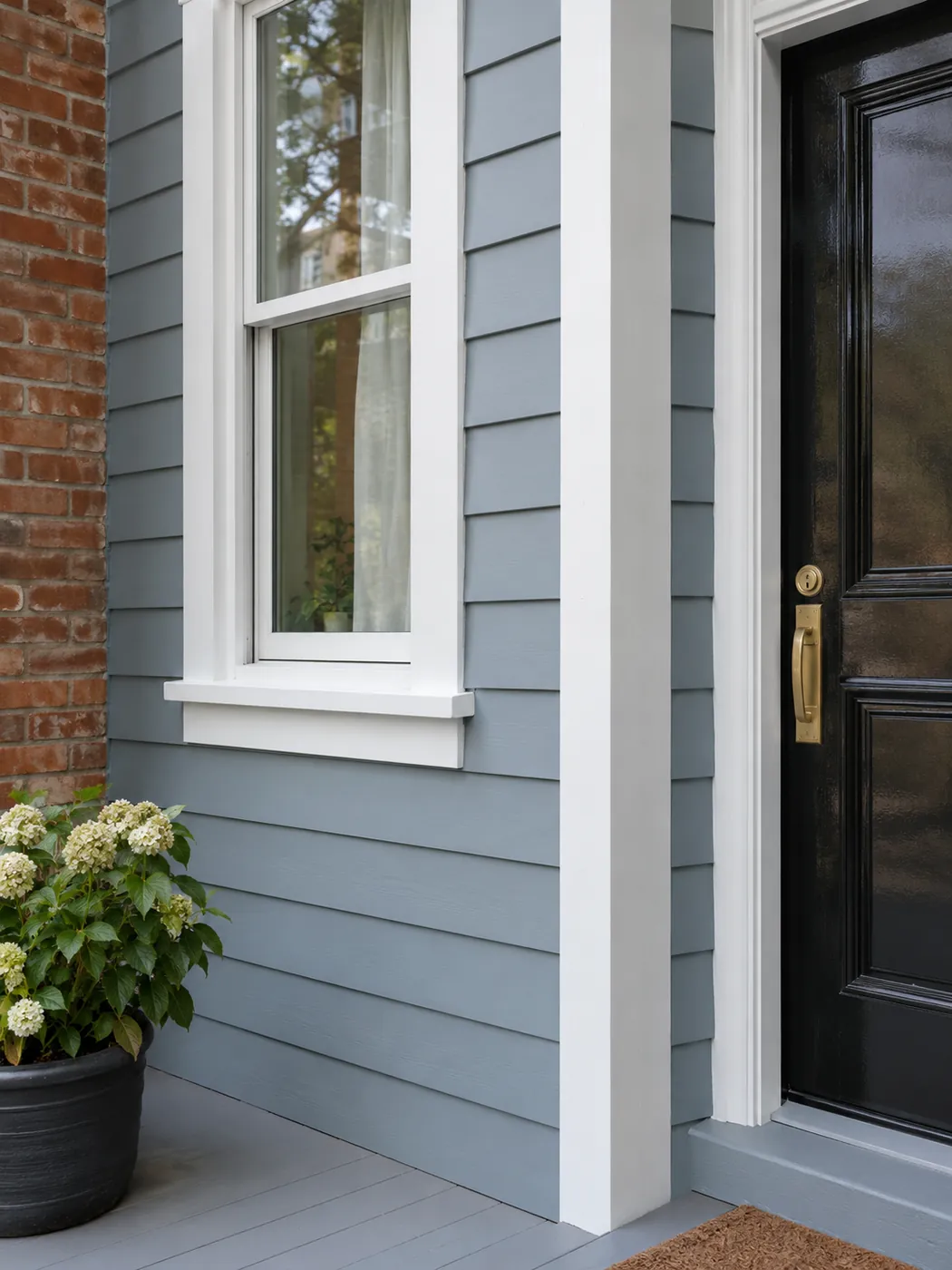
Exterior acrylic latex stays flexible as wood and siding expand and contract through the seasons. It resists fading and lets moisture escape from the wall instead of trapping it, which makes it the standard choice for siding, soffits and most exterior trim on local houses.
Interior wall finishes
Inside, matte and eggshell finishes suit living rooms, bedrooms and dining rooms, where a soft look matters most. Kitchens, bathrooms, laundry rooms and hallways usually get satin, which stands up to wiping, steam and the scuffs that come with daily family traffic.
Trim and door enamels
Doors, railings, baseboards and window trim take a satin or semi-gloss enamel that dries hard. Using one trim colour and sheen throughout the house gives it a consistent look from room to room, and the harder film shrugs off hands, shoes and vacuum knocks.
Zero-VOC options indoors
Bedrooms, nurseries and any room in use while the project runs suit paints rated zero‑VOC or low-odour. These products keep the smell down during drying and are available in the usual sheens, so choosing them does not limit the look you are after.
Service areas
Where we paint houses
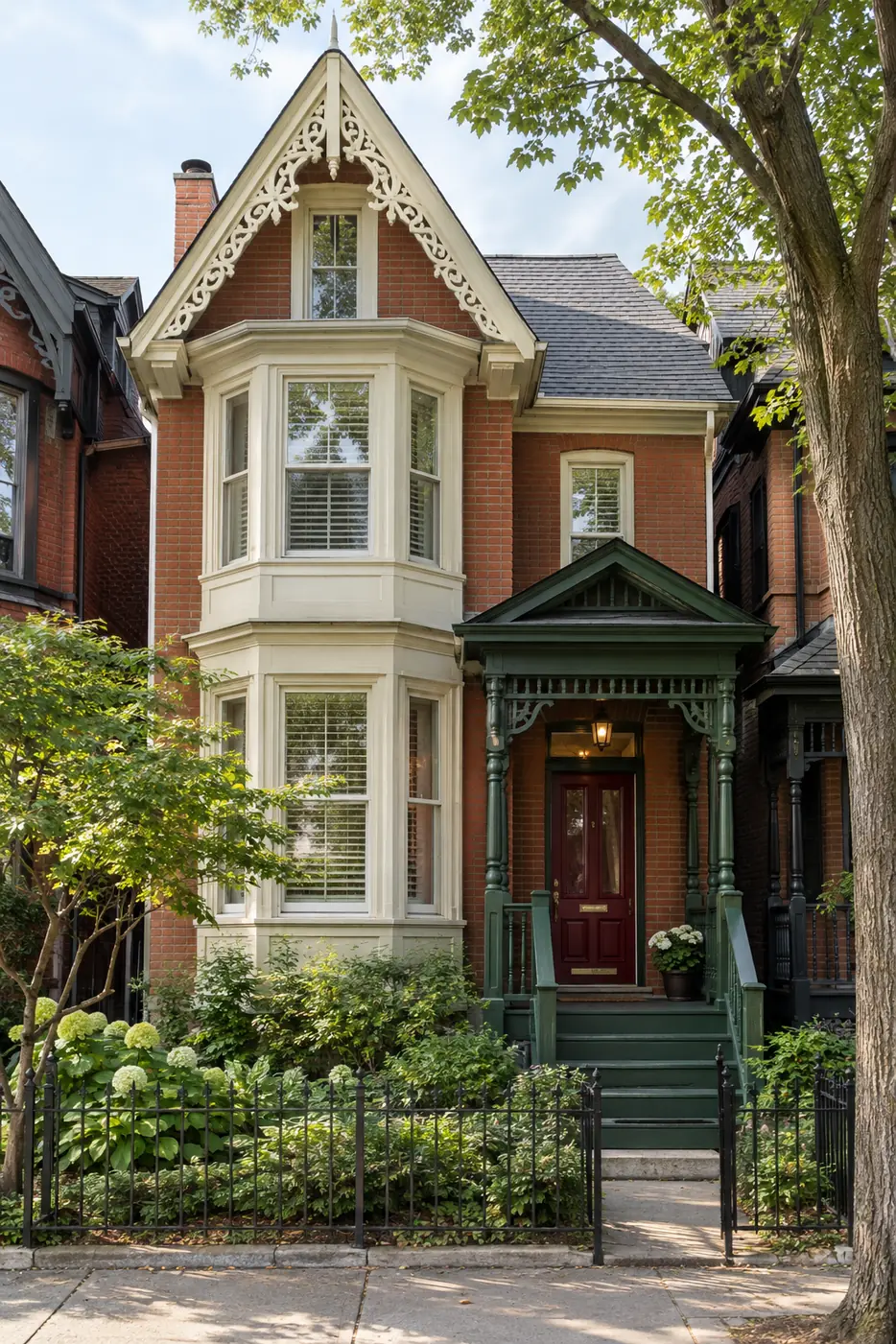
In Toronto, house painting spans a long run of building styles: brick Victorians and Edwardians with wood porches in Cabbagetown and Riverdale, solid brick semis in the west end, post-war bungalows in Etobicoke and Scarborough, and modern infill homes clad in fibre cement and stucco. Older houses usually need the most exterior prep, especially around porches and window trim, while newer ones often need interior work first because builder paint marks so easily. Tight lots between semis also mean ladders and drop sheets have to be planned carefully along narrow side paths.
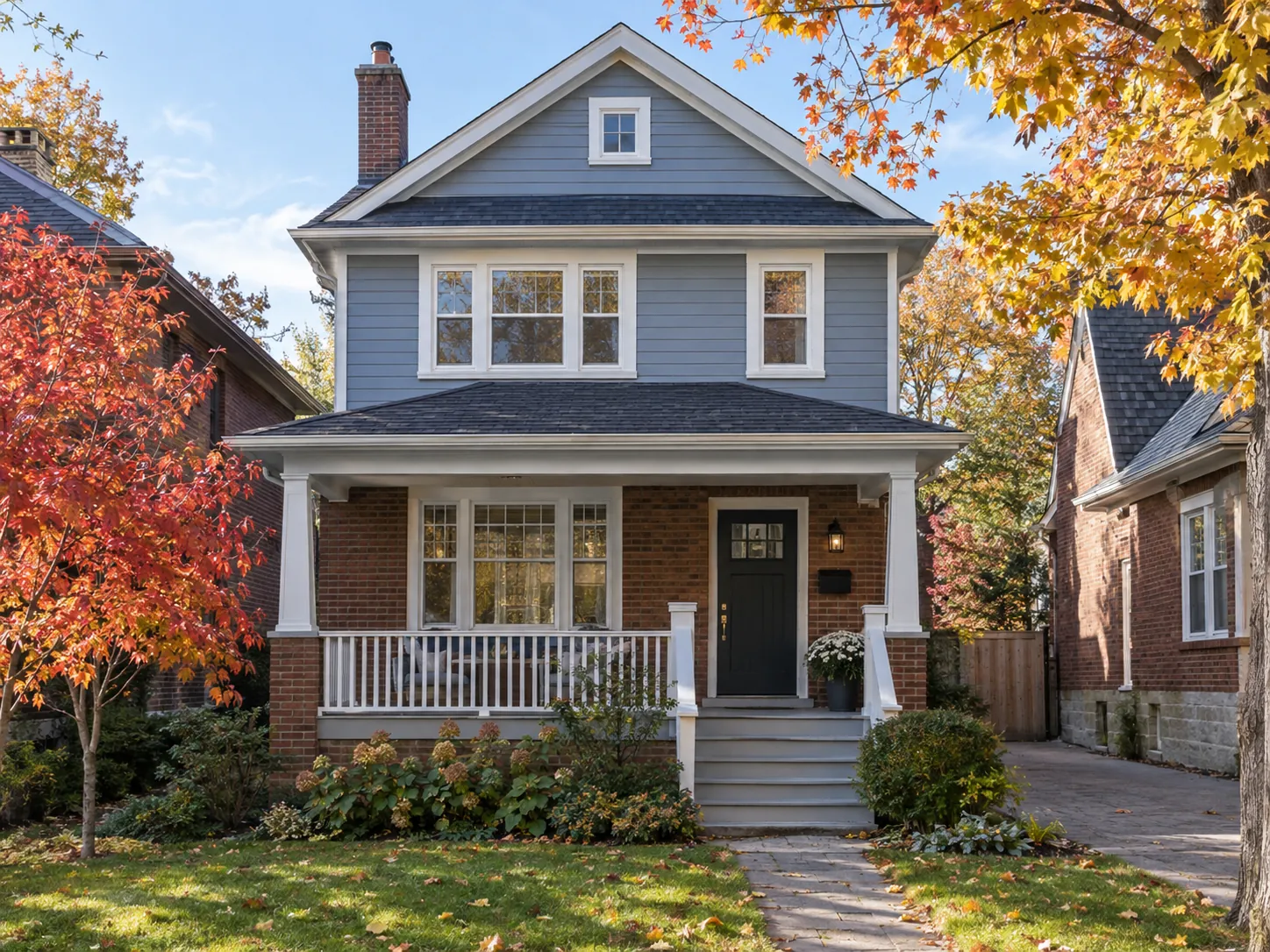
Outside the city, Peel Region is full of two-storey Mississauga and Brampton homes with siding on the upper floor over a brick base. York Region houses in Markham, Vaughan, Richmond Hill and Newmarket are often larger, with tall entries and long runs of trim. In Halton Region, mature lots in Oakville and Burlington sit a short drive from recent Milton builds, and Durham Region stretches from established Pickering and Whitby streets to new subdivisions in Ajax and Oshawa. The plan adjusts to each house rather than to each postal code.
Planning the work
Weather, house age and how a repaint is planned
The local climate sets the calendar for exterior work. Paint wants a dry surface, and both the air and the siding have to sit inside the temperature band the manufacturer prints, which in practice means late spring through early fall. Morning dew, a passing shower or a cold night can each stop work on a given day, so exterior schedules carry some slack. Freeze and thaw cycles through the winter open joints and lift weak paint, which is why the south and west faces of a house, hit hardest by sun and wind, usually show wear first and get the closest look.
The age of the house shapes the job. Older wood siding and trim can be dry and porous after many seasons of weather and need a primer that soaks in, and interior woodwork in pre-war homes often carries oil-based paint that only accepts a new water-based coat after a bonding primer. Mid-century houses frequently have aluminum siding or brick with painted trim, while newer subdivisions use vinyl, fibre cement and flat interior builder paint that scuffs and holds fingerprints. Each material gets its own preparation and product, listed separately on the quote.
Because exterior work is seasonal and interior work is not, many owners split a house project across the year. The outside goes on the schedule for the warmer months, and the inside is booked for fall or winter, when the family is home more and the siding could not be painted anyway. Interior painting in winter is straightforward as long as the heat stays on and the rooms get some air movement. If you are selling, the order flips to whatever buyers will see first, usually the front of the house and the main floor.
- List which rooms and exterior sides matter most this year
- Check the south and west walls for peeling or chalking
- Note soft wood at sills, porch posts and door frames
- Set a target date, such as a move-in or listing
- Clear patio furniture, planters and decorations from around the walls
What drives the price of painting a house
A house quote is built from many smaller pieces. Inside, the number of rooms and floors, ceiling heights, stairwells, trim and doors all add time. Outside, the size of each elevation, the type of siding, the height of the walls and how much scraping, priming and caulking the old paint needs are the main factors. Colour changes that need a primer coat, porches and railings with many spindles, and awkward access along narrow side yards all add to the work involved.
Scope is the lever you control. Some owners do everything in one season; others paint the exterior one year and the interior the next, or start with the rooms buyers will see first. Our painting cost calculator gives a rough range for interior rooms, and after a visit you get a written quote at no charge that separates each room and elevation, so you can see how adding or dropping an area moves the total.
Price it before anyone visits
Pick the rooms and the work in our cost calculator for a ballpark range in about a minute.
Then ask for a free quote: written, itemized and free to change before work starts.
What a repaint changes
Drag the handle, see the difference
A living room before and after a repaint: scuffs and patch marks filled, then two coats of a warm off-white. Slide to compare.
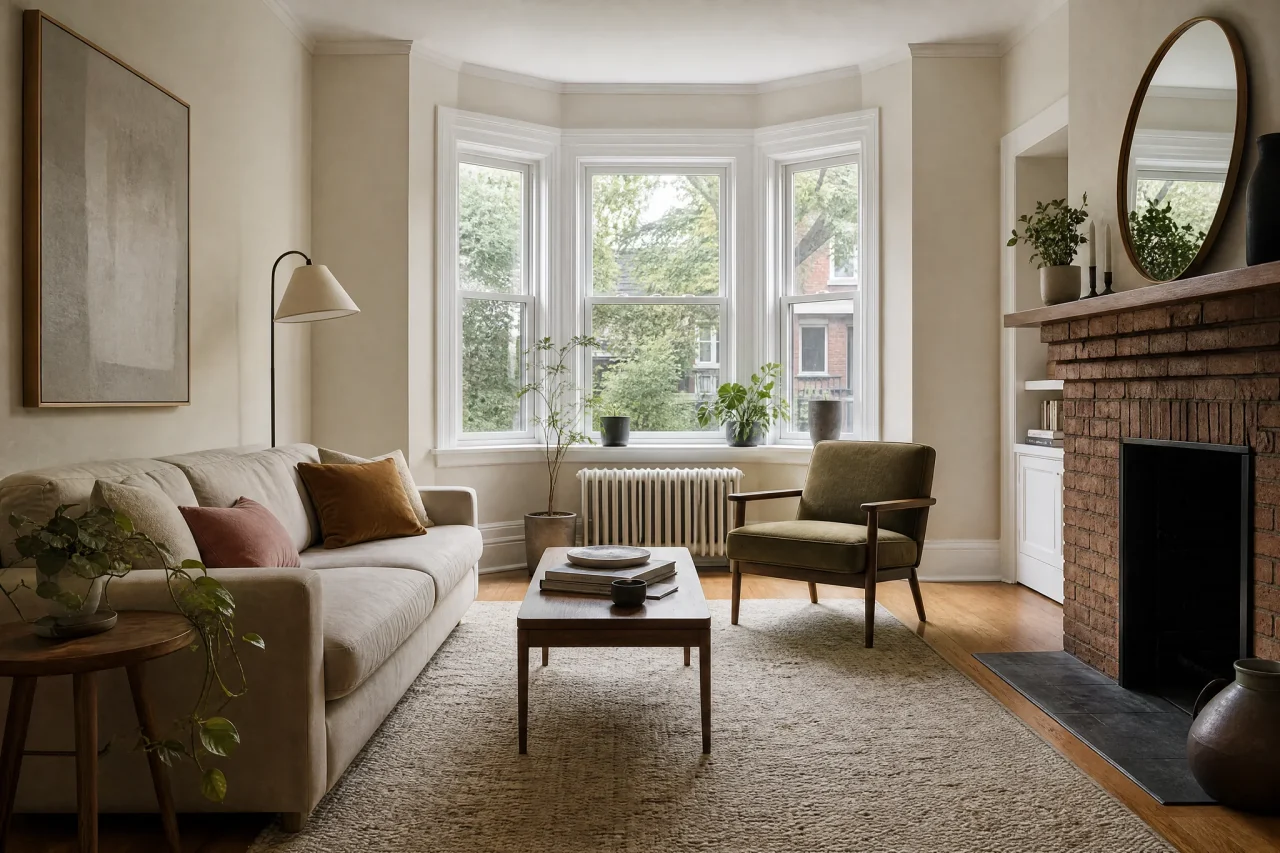
 Living room repaint
Projects
Recent house painting projects
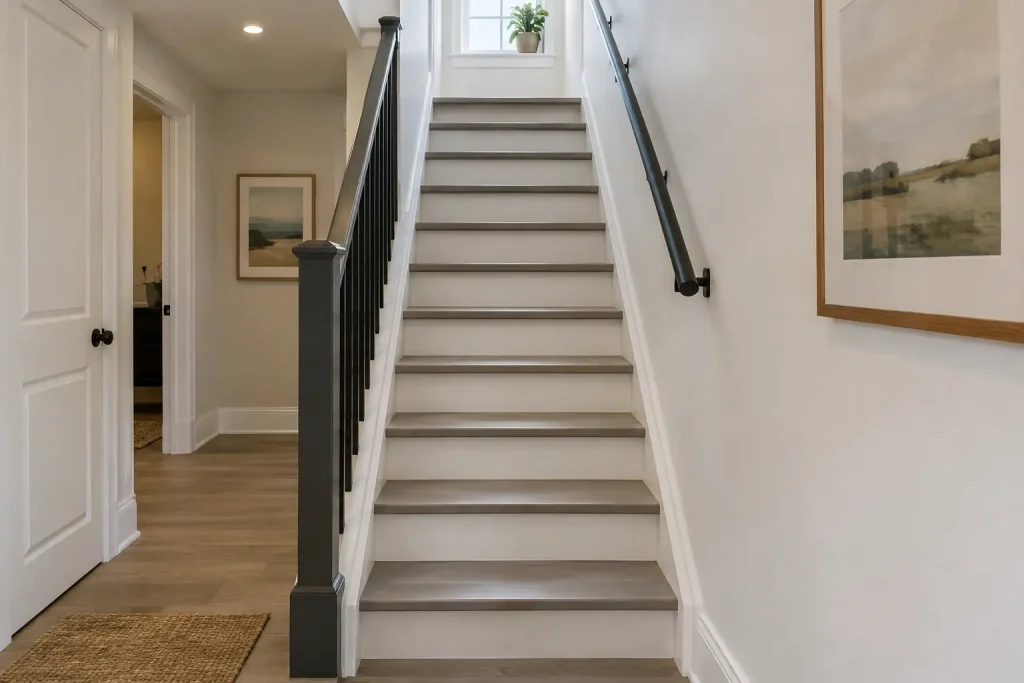
- House painting
- North York
Plaster, drywall and iron railings in a Downsview side-split repaint
A postwar side-split in Downsview, North York: plaster cracks filled, oil trim wet-sanded and iron railings rust-treated, then painted warm white, with black satin railings.
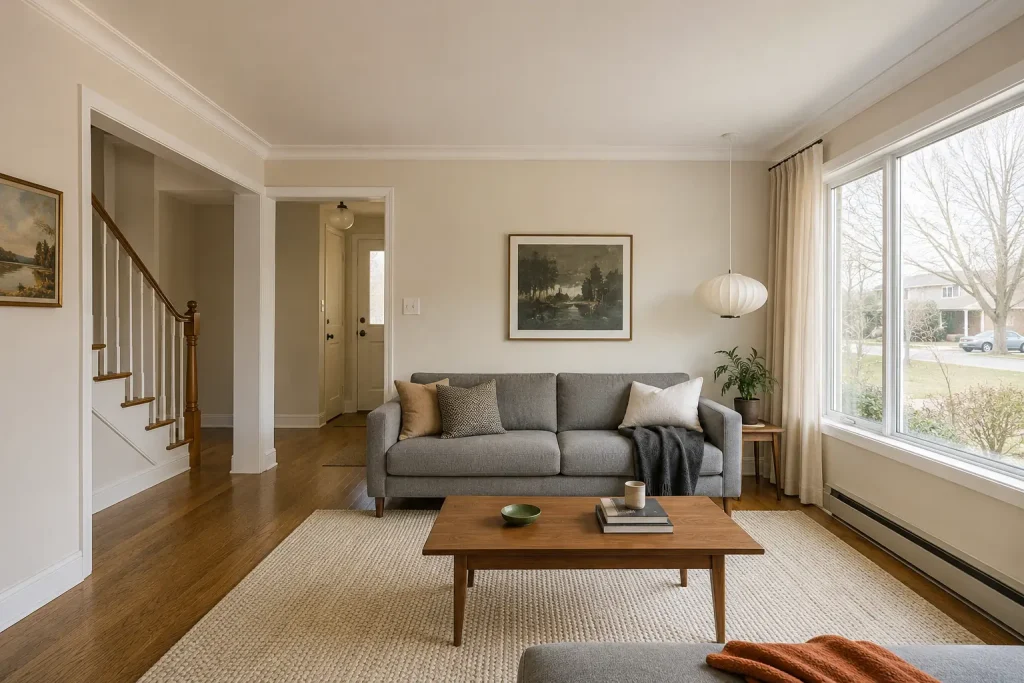
- House painting
- Mississauga
Whole-house interior repaint of a 1980s Erin Mills two-storey
A detached two-storey in Erin Mills: greasy builder beige washed and nail pops refastened, then repainted warm white eggshell with semi-gloss trim and doors.
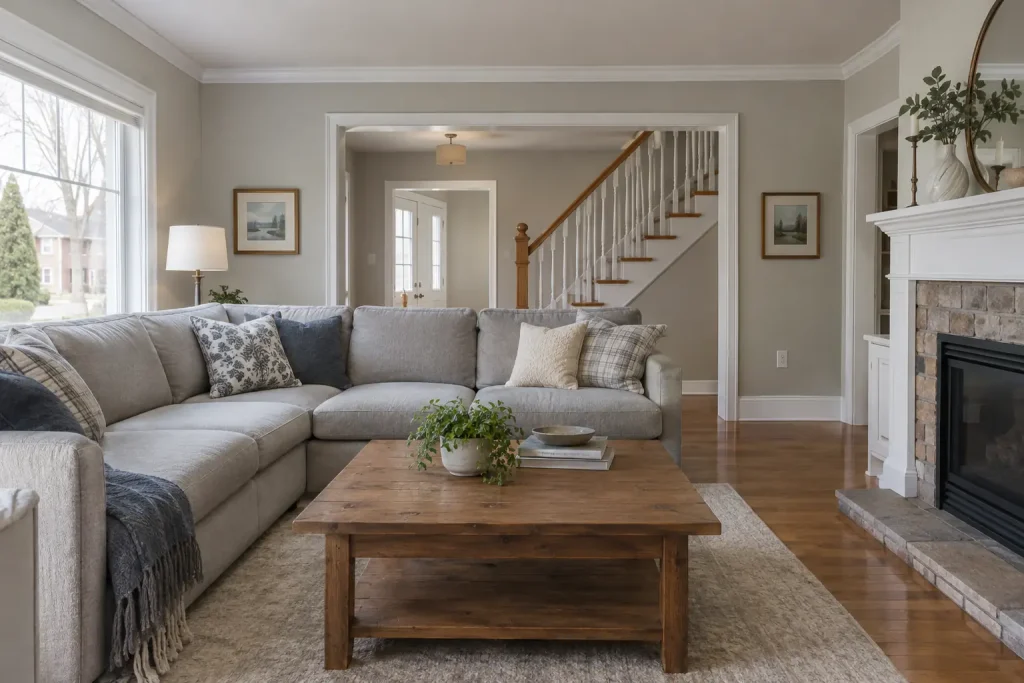
- House painting
- Newmarket
Winter interior repaint of a lived-in Newmarket family home
A family home in Newmarket: kids' marker stains sealed and a fireplace patch skimmed, then the main floor painted clear white, bedrooms in zero‑VOC colours.
Resources
Painting Guides and Resources
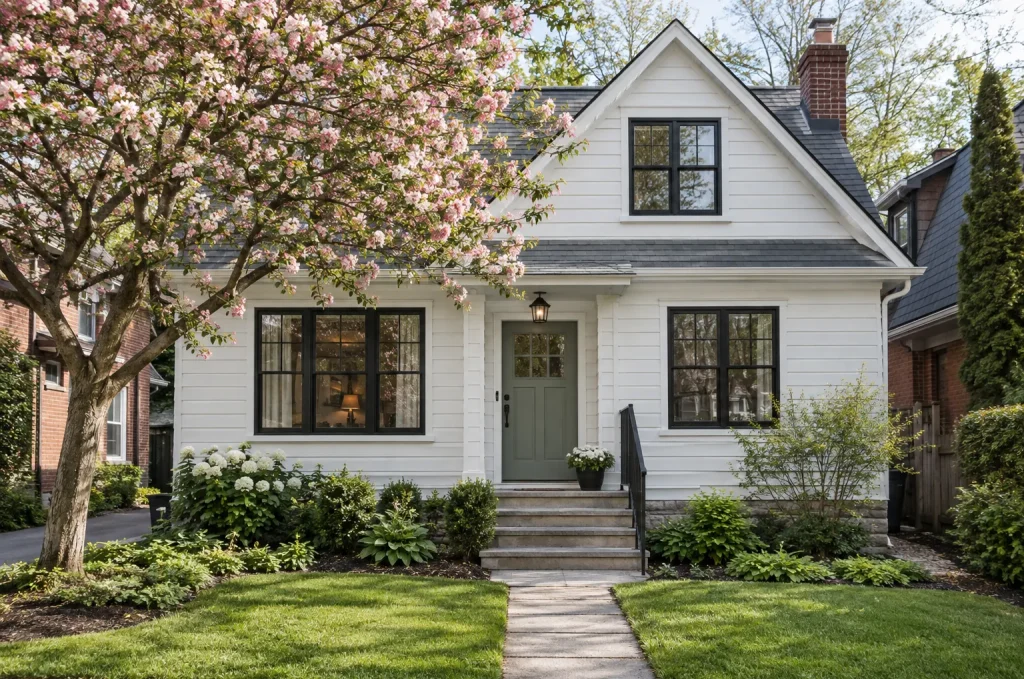
- Guide
When to paint your house exterior in Toronto
Temperature, humidity, dew and rain all decide how well exterior paint cures. How to pick the right season, and the right days, for an exterior repaint in Toronto.
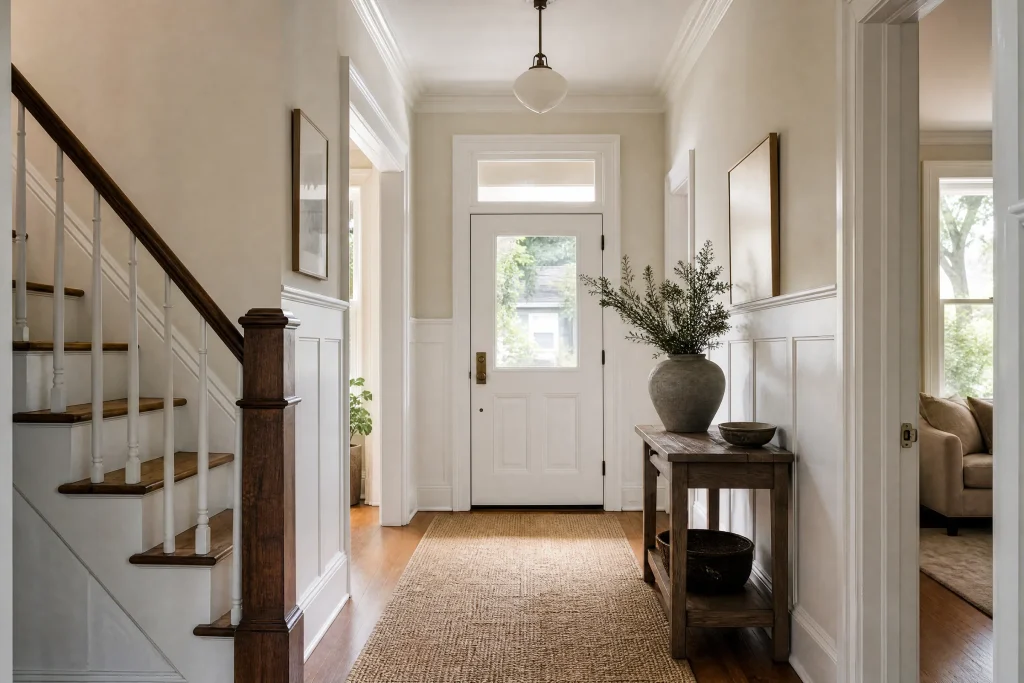
- Guide
Choosing paint sheen room by room
Matte, eggshell, satin or semi-gloss? How sheen changes the way a wall looks, cleans and wears, and which finish suits each room in the house.
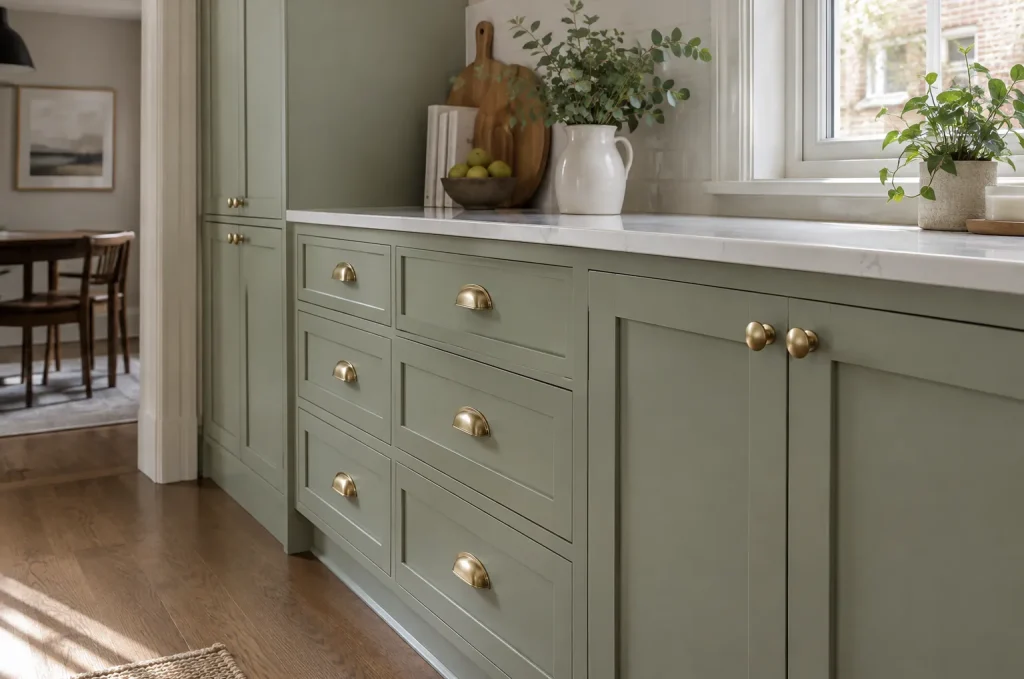
- Guide
Painting vs replacing kitchen cabinets: what the process involves
When painting your existing cabinets makes sense, when replacing them is the better call, and what a proper cabinet painting job involves from degreasing to rehanging.
Can you paint the inside and outside of my house as one project?
Yes. Interior rooms and exterior elevations can sit on one quote and one schedule. The outside is planned for dry, mild weather, and the inside is done floor by floor so you can keep living at home. If the weather turns while the exterior is underway, work moves indoors and carries on, so a rainy week does not stall the whole job.
What time of year suits exterior house painting?
The outside of a house is painted when the weather is mild and dry, which around here tends to mean from late May until the autumn nights get cold, because paint needs dry wood and temperatures inside the band printed on the can. Very hot afternoons cause trouble too, so we follow the shade around the house. Indoor rooms have no season, and plenty of owners save them for winter.
Should I repaint before selling my house?
A neutral repaint of the main rooms, ceilings and trim covers wear and bold colour choices before listing photos are taken, and fresh exterior trim and a clean front door help the house look cared for from the street. Tell us your listing date at the first visit and the work is ordered so the areas buyers see first are finished first.
How should I prepare my home before the painters arrive?
We take care of the heavy preparation, including washing, scraping, sanding, caulking, priming and moving and covering furniture inside. It helps if you pack away ornaments, framed art and breakables, and move outdoor furniture, planters, barbecues and decorations away from the walls. Let us know about pets, alarm codes and gate access before the first day.
How long does a whole-house repaint take?
It varies with the size of the house, how many rooms and elevations are included, the amount of preparation, the number of colours and, for the exterior, the weather. Rather than guess, the written quote comes with a schedule that shows the order of work, so you can plan around it and see which parts of the house will be busy when.
How many coats does each surface get?
A minimum of two finish coats goes on every painted surface, inside and out. Bare wood, repairs, stains and big colour changes get a primer first, and the time between coats follows the paint maker's instructions. Indoors, a zero‑VOC or low-odour line is an option for any room you like, and the products for each area are named on your quote.
Will I know who is working on my house?
Yes. Before work starts you are told who is coming and which part of the house they will begin with. That matters on a house project, where painters may be outside your windows one week and inside your bedrooms the next.
Which areas do you paint houses in?
Houses all over the city, plus the regions around it: Peel, York, Halton and Durham, from downtown semis to suburban two-storey homes. Our home base is an office at 18 King St E, and a quote costs nothing wherever the house is. For a small job, a few photos can be enough to get started.
Free quotes across the GTA
Talk to us about painting your house
Tell us which rooms and which sides of the house you want painted, plus any date you are working toward. We will set up a visit and send your free quote in writing.