
COMMERCIAL
PAINTING planned carefully around your business

- Free quotes
- Itemized written quote
- Since 2010
- Open 7 days
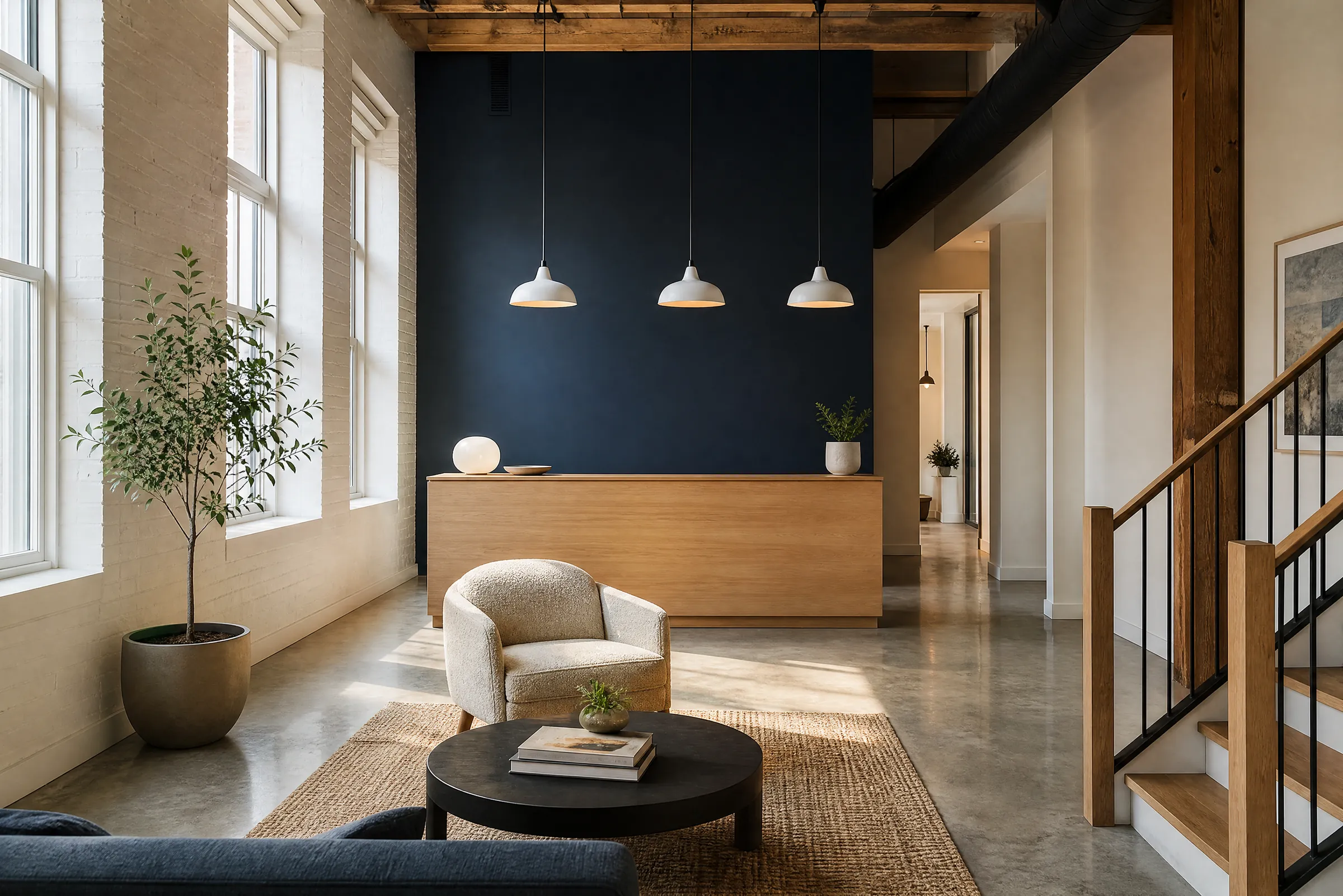
We paint offices, stores, restaurants, lobbies and common areas across the city, with work booked in the evenings, on weekends or during closures, so your staff and customers come back to a finished space.
Painting for businesses
Commercial painting for Toronto businesses and buildings
Commercial painting covers the inside and outside of buildings that people work in, shop in or pass through. Inside, that means walls, ceilings, doors, frames, trim and railings in offices, retail units, restaurants, showrooms, lobbies, corridors and stairwells. Outside, it covers masonry, stucco, siding, metal doors and railings, and the details around entrances and signage. Related work is part of the same service: epoxy coatings on concrete floors, repainting steel doors and frames, line and stencil painting in parking lots, and patching or repairs to stucco and EIFS before a building is repainted.
The people who call us about commercial work are usually business owners, office managers, landlords and property managers. A retailer wants a store refreshed before a busy season or brought into line with new brand colours. An office needs scuffed walls and doors repainted without sending staff home. A landlord has a unit to turn over between tenants, or a lobby and corridors that have worn faster than the rest of the building. A restaurant needs the dining room done while it is closed, so it can open the next day as usual.
A good commercial result looks clean and consistent under bright, flat lighting, which shows every patch, roller mark and uneven sheen. Colours match across rooms and floors and follow your brand standards where those apply. High-traffic surfaces carry a finish that can be wiped down rather than repainted every time a cart scrapes a wall. Just as important, the business keeps running: no lingering smell when staff arrive, no wet paint in the way of customers, and every room left tidy and usable at the end of each shift.
Planning starts with a free visit to walk the space, measure it and note what has to stay open and when. We ask about opening hours, building rules, access, alarms and elevators, and whether you have brand colours or a colour standard to follow. Colour choices can be tested with real sample pots on your own walls. The itemized written quote then breaks the job into areas, lists the preparation, products and sheen for each, and sets out how the work will be phased, so you can approve all of it or one part at a time.
Offices and boardrooms
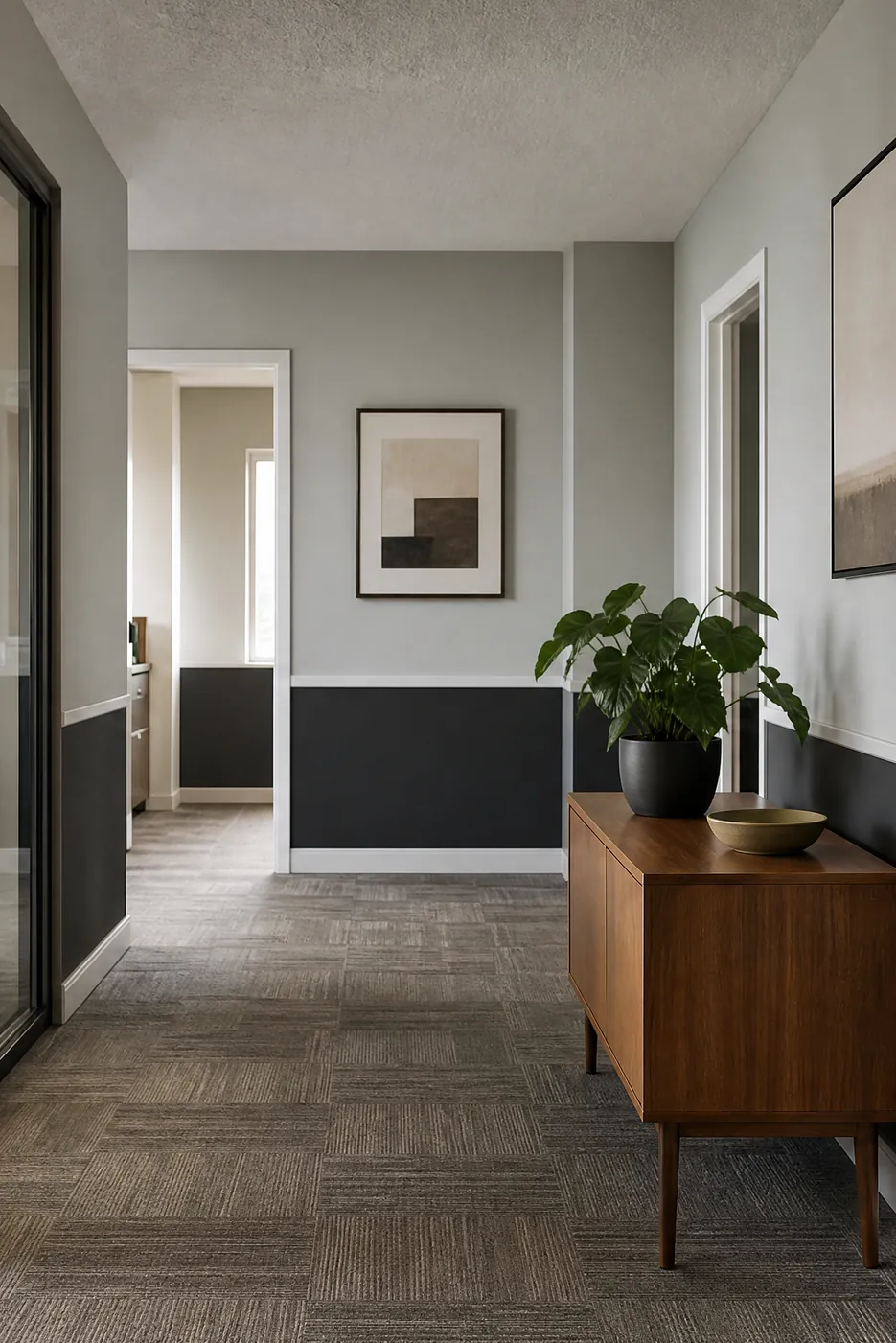
Walls, ceilings, doors, frames and trim in open-plan offices, boardrooms, private offices, kitchens and washrooms. Work is phased by area or booked after hours, desks and equipment are covered or moved, and low-odour paint is used where people will be back at their desks the next morning.
Retail and restaurants
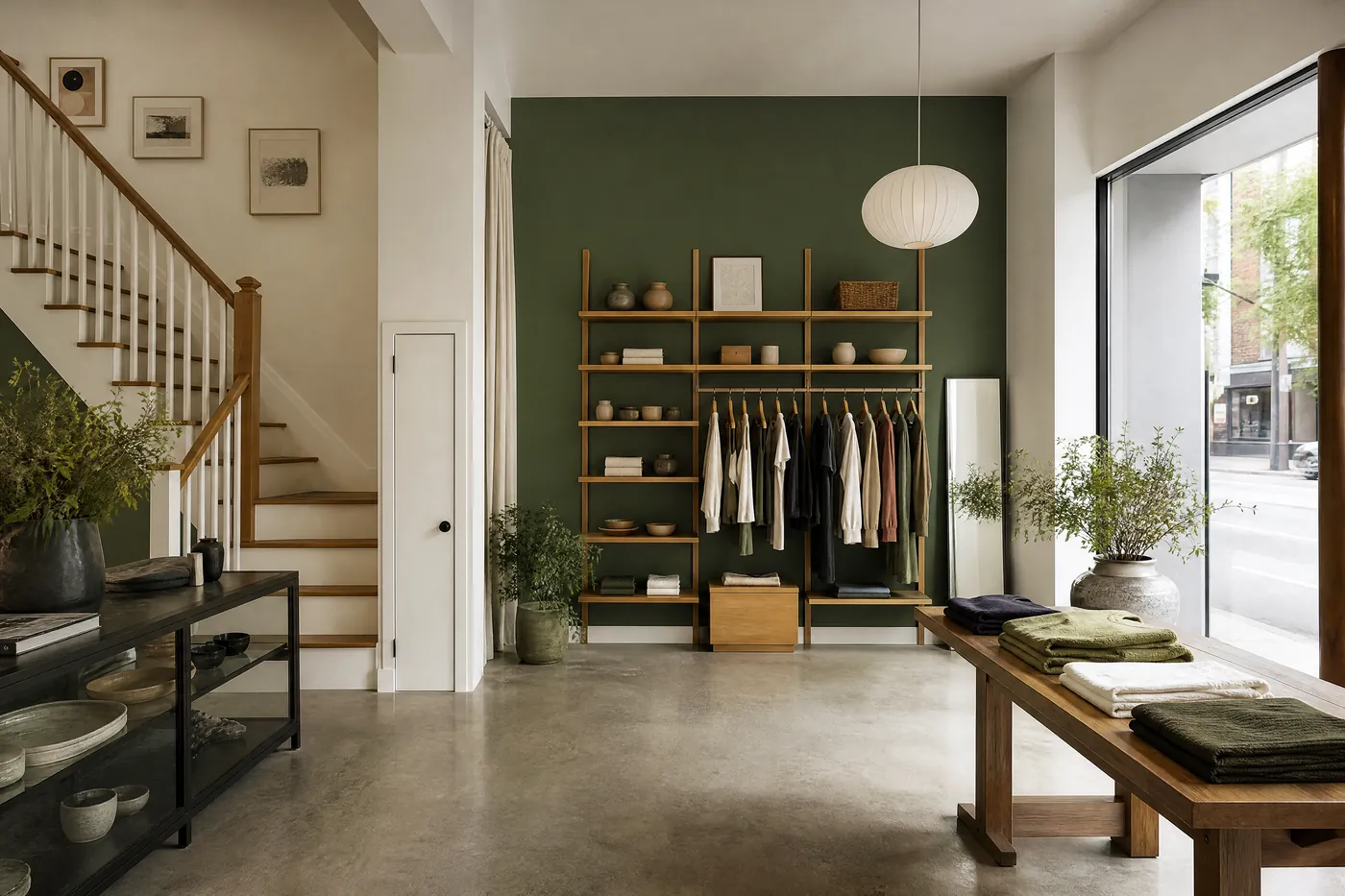
Sales floors, fitting rooms, back-of-house areas, dining rooms and storefronts. Painting is scheduled around opening hours, merchandise and fixtures are covered, and feature walls can be done in brand colours while the rest of the space stays neutral or follows your design.
Lobbies, corridors and common areas
Entrance lobbies, hallways, stairwells, elevator landings, amenity rooms and parking garage entrances in office, retail and mixed-use buildings. Work is phased floor by floor so the building stays in use, and tenants and visitors can be told in advance which areas are being painted.
Exteriors, floors and parking
Masonry, stucco, siding, metal doors and railings on the outside of the building, with protective sealers and caulked joints where needed. Epoxy coatings for concrete floors, and line and stencil painting in parking lots for stalls, arrows and loading areas, are also offered.
How commercial spaces are painted, area by area
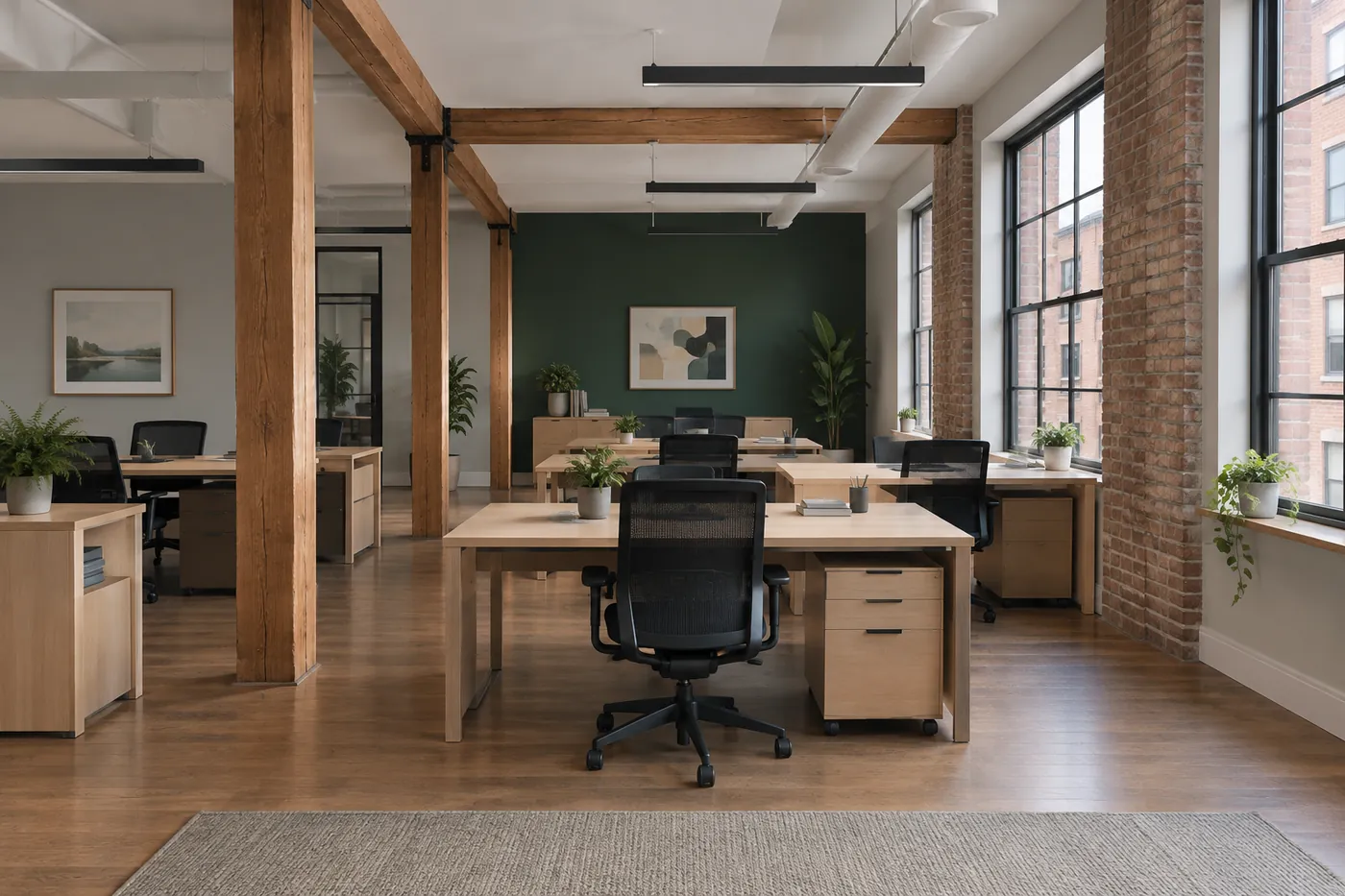
Interior walls and ceilings are handled one area at a time. Furniture and equipment are moved to the centre or covered, floors are protected with drop sheets or floor protection that stays put under foot traffic, and switch plates and signage are removed. Dents, holes from old fixtures and scuffs along corridors are filled, sanded and spot-primed, and any glossy surfaces are scuffed so the new paint grips. Ceilings are painted first, then walls in at least two finish coats, with the sheen chosen for how much cleaning each area gets.
Doors, frames and railings take the hardest knocks in a commercial building and get the most careful work. Steel doors and frames are cleaned, degreased, sanded and checked for rust, which is taken back to bare metal and primed before painting. Wood doors and trim are filled and sanded. Both are finished in a hard enamel that resists scuffs and can be wiped clean. Fire-rated door labels and hinges are masked rather than painted over, and doors in daily use are painted in a sequence that keeps every exit usable.
Exterior and floor work follow their own steps. Outside walls are washed, loose paint is scraped, cracks in masonry and stucco are patched, expansion joints and gaps around rooftop equipment are caulked, and bare areas are primed before the finish coats. Concrete floors receiving epoxy are cleaned and degreased, then ground or etched so the coating bonds, and cracks are filled before the coats go on. Parking lot lines and stencils are laid out to the plan you approve and painted on a dry, clean surface.
Reviews
What clients say
Why hire professionals
Why businesses hire painters for commercial work
Painting a business is not just a bigger version of painting a home. The space usually has to keep working, the building has rules, and the finish has to stand up to far more traffic. A professional painting company plans for all of that before the first can is opened.
Work outside your hours
Evenings, weekends and planned closures can be booked, so painting happens while the space is empty. Your staff and customers arrive to a finished, tidy area instead of ladders and drop sheets.
Phasing that keeps you open
Large spaces are split into sections and painted in an agreed order, so departments, sales floors or floors of a building can stay in use while the next area is being done.
Finishes for heavy traffic
Corridors, washrooms, kitchens and doors need tougher, scrubbable finishes than a house. Choosing the right product and sheen for each area means scuffs can be cleaned off rather than painted over.
Building rules handled
Elevator bookings, loading times, keys, alarms and quiet hours are arranged with your building or property manager before the first shift, so the work fits around the building.
One written scope
An itemized written quote by area lets you, your landlord or your board see exactly what is included, approve it in phases and keep a record of the colours and products used.
Our process
How a commercial painting job runs
Commercial jobs follow five steps, but the timing of each depends on your hours and your building. The plan is agreed in writing before the first shift, so everyone involved knows when and where the painters will be working.
Walk-through
We walk the space with you, measure each area, note what must stay open and when, and check access, alarms and elevators. Brand colours and colour standards are recorded, and sample pots can be tried on your walls.
Itemized quote and schedule
Your written quote is broken down by area, with the prep, products, sheen and coats for each, and a proposed order of work. Phases can be approved together or one at a time, and you know who is coming.
Set-up each shift
At the start of each shift, the area is cleared or covered, floors are protected, signage is put up where needed, and walkways past the work are kept open and safe for anyone still using the building.
Prep and paint
Dents and holes in damaged walls are patched, sanded and primed, metal doors are cleaned and rust-treated, and then each surface receives at least two finish coats, with the drying times on the product label respected.
Tidy and hand back
At the end of every shift, the area is tidied, furniture goes back in place and the space is ready to use. When the job is done, we check the finished areas with you before handing the space back.
Ready to start?
Call (416) 710-4224 or send a few details and photos for a free, itemized quote.
Preparation
Preparing a commercial space for painting
Access and building rules
Before any painting, we confirm keys or access cards, alarm codes, elevator bookings, loading dock times and any quiet hours with you or the building manager. Shared lobbies and corridors may also need notices to tenants, which can be posted in advance of the work.
Protecting the business
Floors, furniture, computers, merchandise, display fixtures and kitchen equipment are moved or covered in each work area. Fire alarms, sprinkler heads and smoke detectors are masked only as your building allows, and covers are removed at the end of each shift.
Repairing heavy wear
Commercial walls collect dents from carts and chairs, holes from old shelving and signage, and damaged outside corners. These are filled, taped where needed and sanded, then spot-primed, because unprimed patches show as dull spots under bright overhead lights.
Cleaning before paint
Kitchens, washrooms and busy corridors carry grease, hand marks and residue that stop paint from bonding. Walls, doors and frames are washed and degreased before painting, and steel doors and frames are wiped down again after sanding to remove dust.
Exterior and floor prep
Outside walls are washed and loose paint is scraped, with cracks in masonry and stucco patched. Concrete floors for epoxy are cleaned, degreased and ground or etched to open the surface, and cracks are filled so the coating bonds evenly across the slab.
Products and finishes
Scrubbable wall finishes
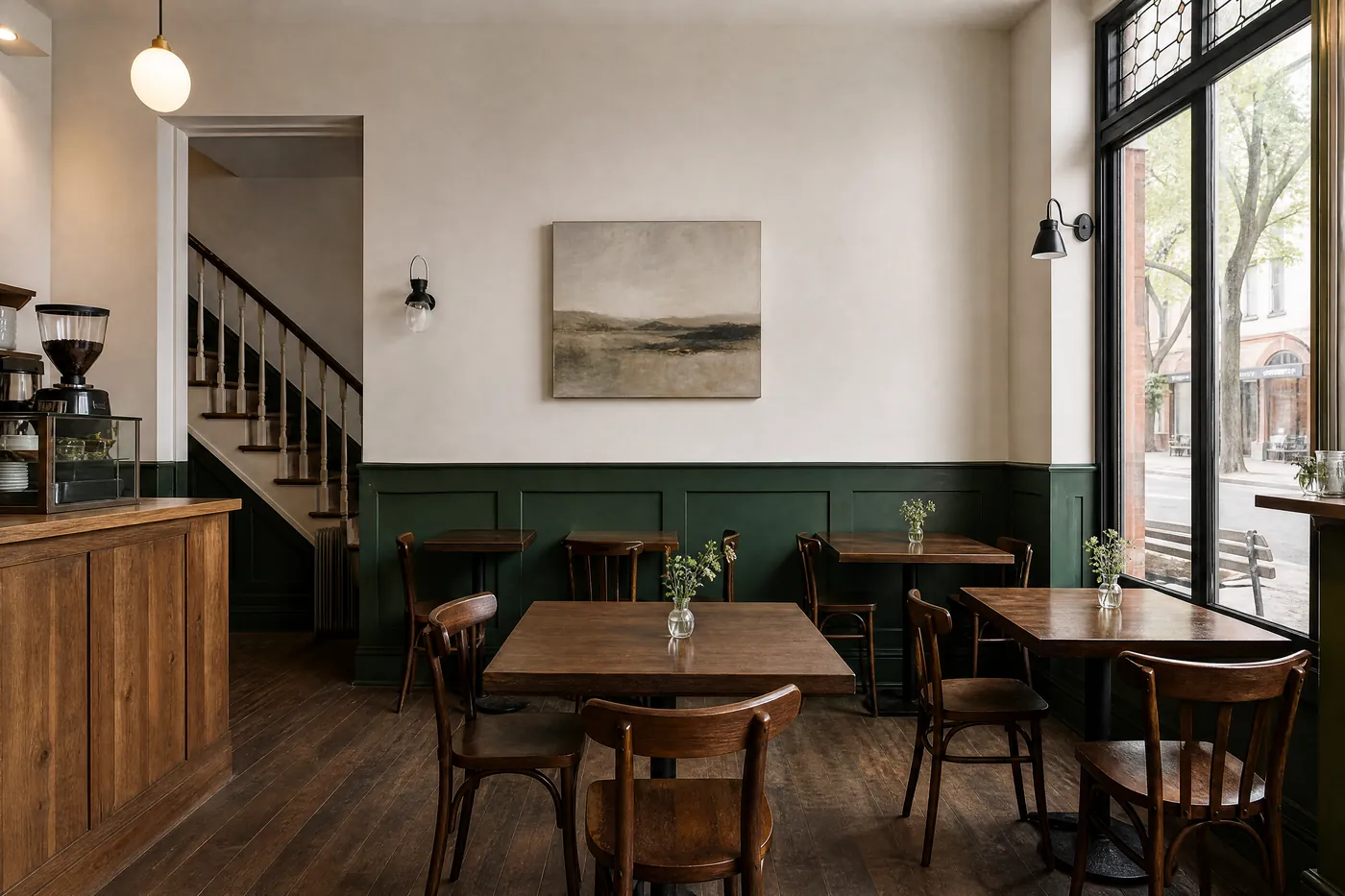
Eggshell and satin finishes on walls in offices, corridors and retail spaces stand up to regular cleaning without wearing shiny patches. Zero‑VOC and low-odour versions mean the space can be used the next morning with little or no paint smell, which matters in offices, showrooms and restaurants.
Enamels for doors and frames
Doors, frames, railings and handrails get a hard semi-gloss enamel that resists scuffs and can be wiped down. Steel doors are primed with a rust-inhibiting metal primer where bare, or finished with a direct-to-metal enamel made to bond and protect in one system.
Epoxy floor coatings
Epoxy coatings form a hard, sealed surface on concrete floors in storage rooms, back-of-house areas, workshops and garages. The coating resists oil and water and is easy to sweep and mop. Grip can be added to the topcoat where floors may get wet.
Exterior masonry and line paint
Outside walls are finished with breathable masonry paint or an acrylic made for stucco, depending on the surface, with protective sealers where needed. Parking lot lines and stencils use a traffic paint made for asphalt and concrete that bonds to the surface and stays visible.
Service areas
Where we take on commercial work
In Toronto, commercial work ranges from offices in downtown towers to storefronts along main streets and restaurants on busy corners. Tower offices come with strict building rules, booked elevators and after-hours access, and some floors can only be worked on at night. Main street shops often sit below apartments, so noise and smell have to stay low. Office and mixed-use buildings have lobbies, corridors and shared washrooms in use from early morning into the evening, so common-area painting is phased and announced in advance.
Outside the core, commercial painting often means plazas, industrial units and office parks. In Peel Region, Mississauga and Brampton have large warehouse and office buildings with concrete floors suited to epoxy. Business parks and plazas in York Region and Halton Region, such as Markham and Oakville, combine retail units with shared corridors and parking. In Durham Region, older main streets mix brick storefronts with newer commercial buildings. Each site is planned around its own access, opening hours, landlord requirements and the tenants who share the building.
Working around your business
Business hours, building rules and the weather
Most commercial painting is done around business hours. Offices are often painted from early evening into the night or over weekends, retail stores before opening or after closing, and restaurants on the days they are closed. Each shift is planned so the area is usable again by the time people arrive: furniture back in place, covers removed, floors clear and the paint dry enough that no one brushes against it. Zero‑VOC and low-odour products keep the smell to a minimum, which matters when a room is back in use only a few hours later.
Building rules shape the schedule as much as your hours do. Office towers and multi-tenant buildings usually require elevator bookings, sign-in at security and approved work times, and some restrict noise, smells or deliveries during the day. Property managers often want tenants and their staff told in advance which floors and areas will be painted and when. These details are agreed with the manager before work starts and set out in writing, so the building manager, your staff and the painters are all working from the same plan.
Outside work depends on the weather. Exterior paints, masonry coatings and parking lot line paint need dry surfaces and temperatures within the range on the product label, so this part of the job waits for the warmer, drier months of the year. Stucco and masonry need to dry out after rain before they can be primed, and line painting needs a lot that can be closed off in sections. For a business that needs both interior and exterior work, the inside can be done in any season and the outside timed for good weather.
- Confirm your building's rules on work hours, elevators and security sign-in
- Gather brand colour codes or your existing colour standard
- Decide which areas must stay open during each phase
- Tell staff or tenants which areas are being painted and when
- Book exterior and parking lot work for dry, mild weather
What changes the price of commercial painting
The size of the space and the height of the ceilings set the baseline, but commercial jobs vary more than homes. After-hours and weekend shifts, phasing over several visits and strict building access rules all change how the work is organized. The condition of the surfaces matters too: walls damaged by carts and old fixtures, rusted steel doors or concrete that needs grinding before epoxy take more preparation than a straightforward repaint of sound walls.
The products and details also shape the scope. Scrubbable finishes, enamel on doors and frames, epoxy floors and exterior masonry coatings each involve different steps, and the number of colours, feature walls and brand-colour areas adds to the work. For an early budget, our painting cost calculator gives a starting range. After a walk-through, you receive a free, itemized written quote broken down by area, which can be approved in phases.
Price it before anyone visits
Pick the rooms and the work in our cost calculator for a ballpark range in about a minute.
Then ask for a free quote: written, itemized and free to change before work starts.
Projects
Recent commercial painting projects
- Commercial
- Downtown Toronto
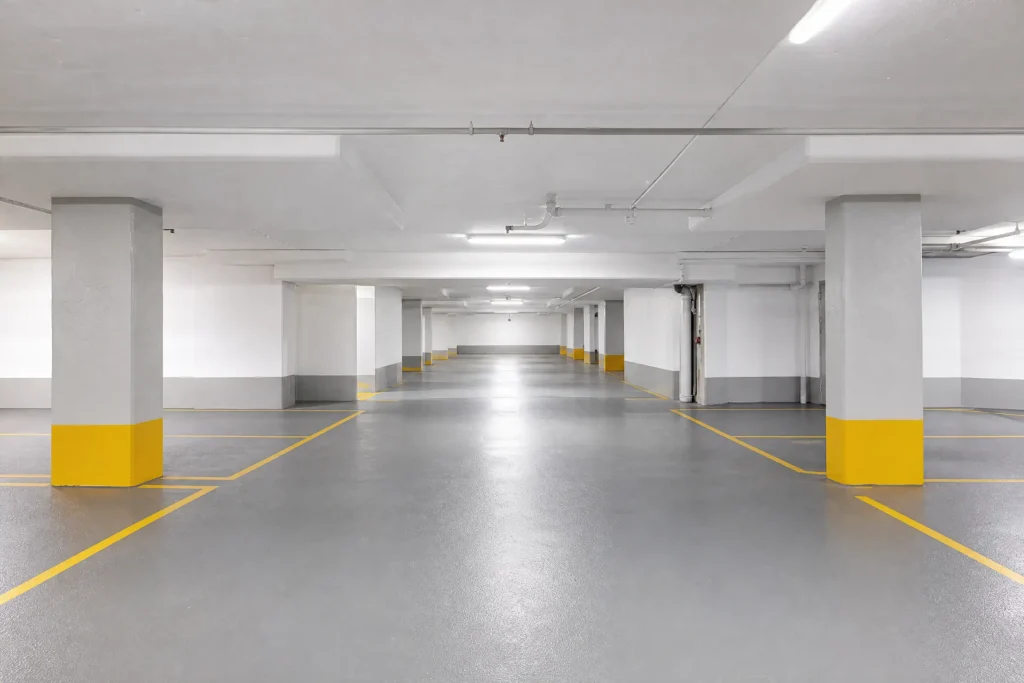
Parking garage and elevator lobby repaint in King West, Toronto
An office garage in King West: exhaust film pressure-washed off and cracks filled, then levels sprayed yellow, blue or green and the lobby warm taupe.
- Commercial
- Mississauga
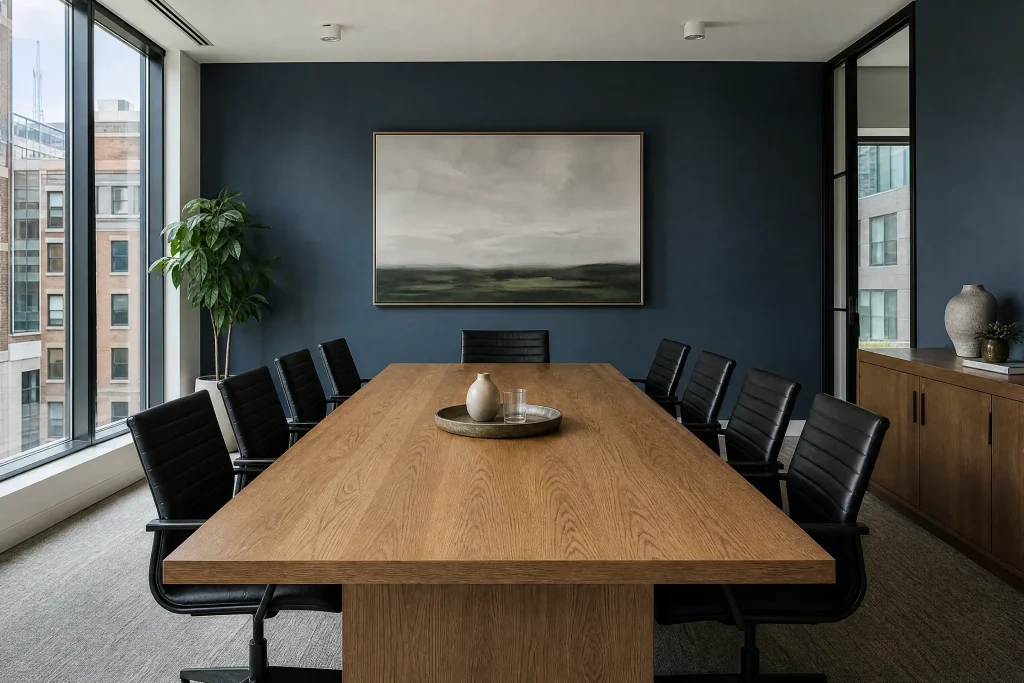
Office floor fit-out and lobby painting in a Mississauga business park
A business park office floor in Mississauga: new partitions primed, old walls patched and degreased, then finished in cool white with a warm taupe lobby.
- Commercial
- Vaughan
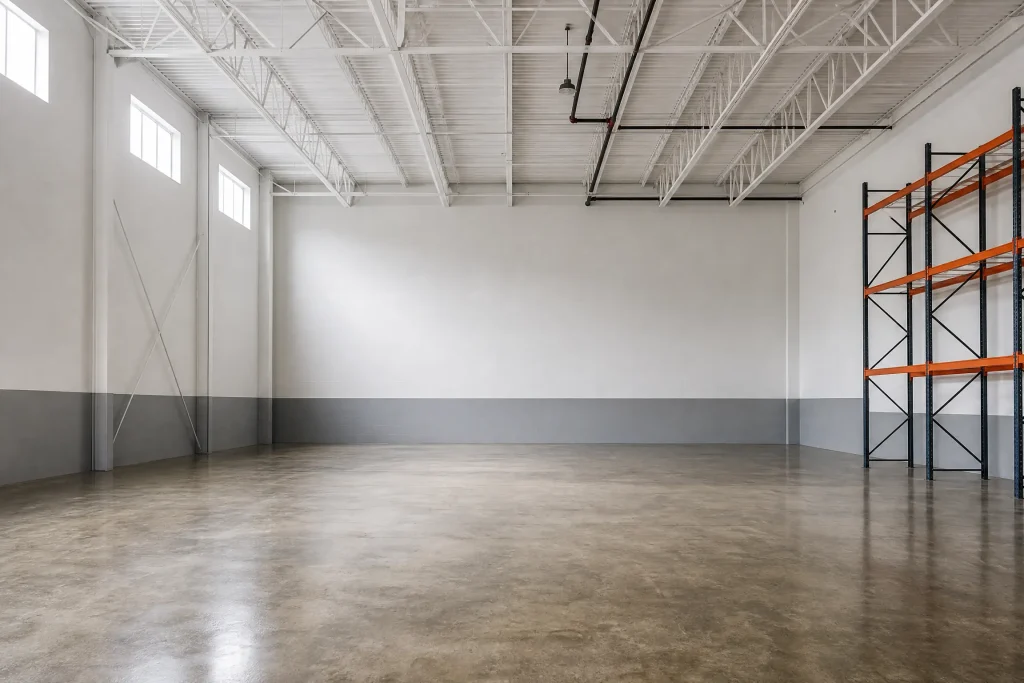
Warehouse ceiling and loading dock repaint in Concord, Vaughan
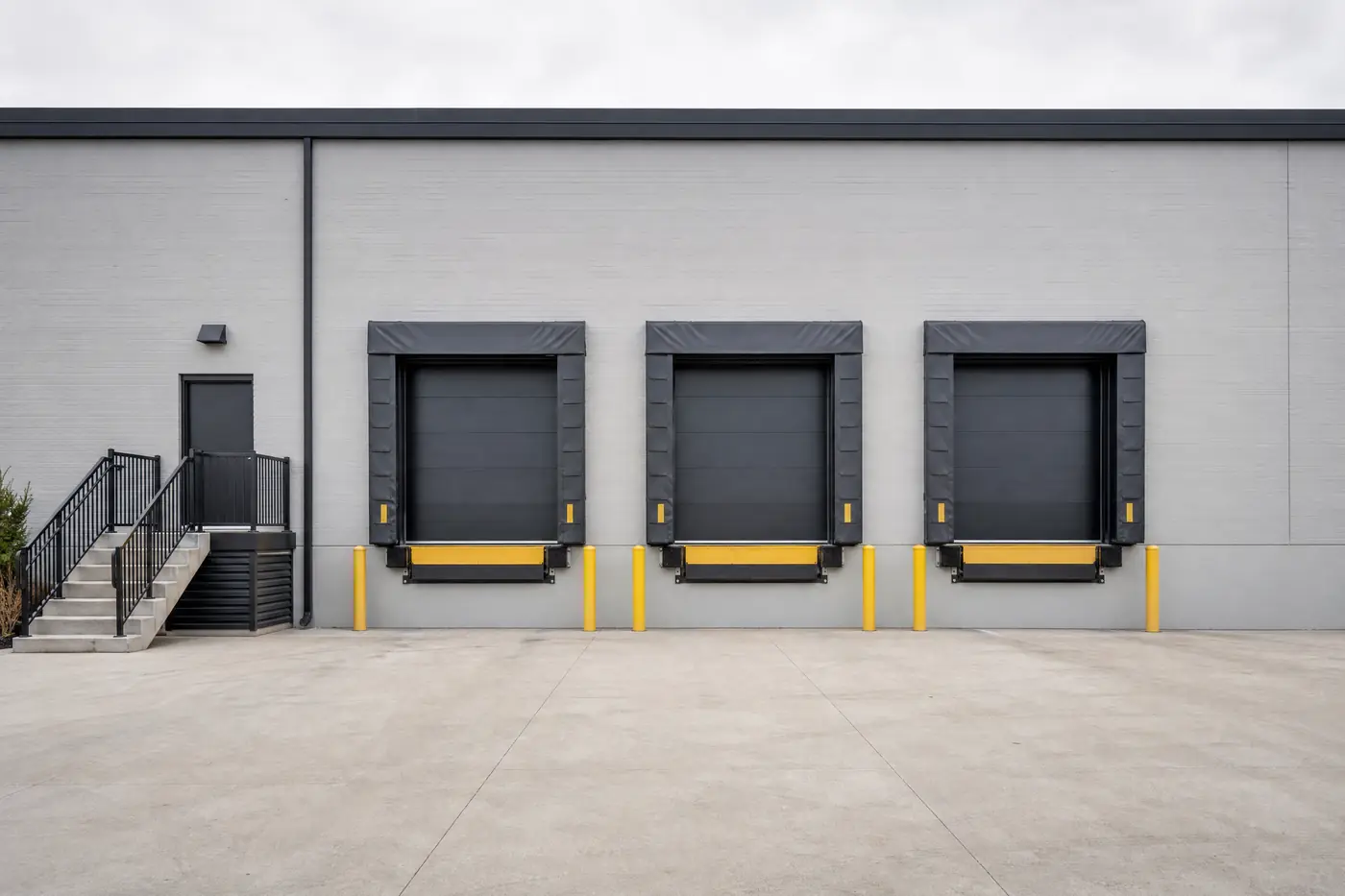
A warehouse in Concord, Vaughan: steel deck and ducts blown clean, forklift gouges filled, then white dry-fall overhead, warm white block and safety yellow bollards.
Can you paint after business hours or on weekends?
Yes. Commercial work can be booked for evenings, overnight in some buildings, weekends and planned closures. The schedule is agreed before work begins and each shift is planned so the area is usable when your staff or customers arrive. Furniture goes back in place, covers come off and walkways are clear at the end of every shift. Low-odour and Zero‑VOC paint options help when a room is back in use only hours later.
Can the work be phased so we stay open?
Yes. Larger spaces are divided into areas, such as a floor, a department or one side of a store, and painted in an order you approve. The rest of the space stays in use while each area is done. The written quote lists each area separately, so you can approve the whole job or one phase at a time and spread the work out over several visits if that suits your budget or your calendar.
Do you take on jobs for landlords and property managers?
Yes. Property managers and commercial landlords can book us for lobbies, corridors, stairwells, shared washrooms and vacant units between leases. Elevator bookings, building access and notices to tenants are arranged with the manager before work starts, and the quote is itemized so it can be shared with an owner or head office for approval.
Can you match our brand colours?
Yes. Send us your brand guidelines or colour codes and we match them to paint colours, then try sample pots on your own walls so you can check them under your lighting before the full job. Feature walls, doors, trim and storefront details can be painted in brand colours while the rest of the space stays neutral. The colours and products used are listed in writing for future touch-ups.
Do you paint metal doors and frames?
Yes. Steel doors and frames are common in commercial buildings and take a lot of wear. They are cleaned and degreased, sanded, and any rust is taken back to bare metal and primed with a metal primer before they are finished in a hard enamel. Labels on fire-rated doors are masked, not painted over, and doors in daily use are painted in a sequence that keeps every exit usable.
Do you offer epoxy floor coatings?
Yes. Epoxy coatings can be applied to concrete floors in storage rooms, back-of-house areas, workshops, garages and similar spaces. The floor is cleaned, degreased and ground or etched so the coating bonds, and cracks are filled first. The result is a sealed surface that is easy to sweep and mop. We look at the floor at the walk-through to check its condition and any moisture coming up through the slab.
Do you paint the outside of commercial buildings?
Yes. Exterior work covers masonry, stucco, siding, metal doors and railings, with washing, scraping, patching and caulking before priming and painting. Stucco and EIFS damage can be repaired before the finish coats, and protective sealers can be added where needed. Parking lot line and stencil painting is also offered. Outside phases are booked for dry, mild weather and planned around the hours your entrance is busiest.
Which areas do you cover for commercial work?
Commercial clients anywhere in the city are within reach, along with those in Peel, York, Halton and Durham. Since 2010, All Painting has painted commercial spaces here, and our office is a short walk from King and Yonge, at 18 King St E. Get in touch with a short description of the space or a few photos, and we will arrange a walk-through and a free quote.
Free quotes across the GTA
Planning a repaint for your business?
Tell us about the space, your hours and any building rules, and we will arrange a walk-through and send a free, itemized written quote broken down by area.