
Across Toronto and the wider GTA, more homeowners than ever are reconsidering the look of their exterior masonry, and brick painting Toronto projects have surged as a fast, high-impact way to modernize a tired facade without the cost of a full re-clad. Whether you own a 1920s red-brick semi in Leslieville, a postwar bungalow in Etobicoke, or a builder-grade detached home in Vaughan, a properly executed brick coating can transform curb appeal overnight. But brick is not drywall: it breathes, it absorbs moisture, and it lives through brutal freeze-thaw cycles. Getting it right means understanding the difference between paint and stain, choosing the correct breathable product, and prepping the substrate so the finish lasts a decade rather than peeling in two winters. This guide breaks down everything a GTA homeowner needs to know in 2026.
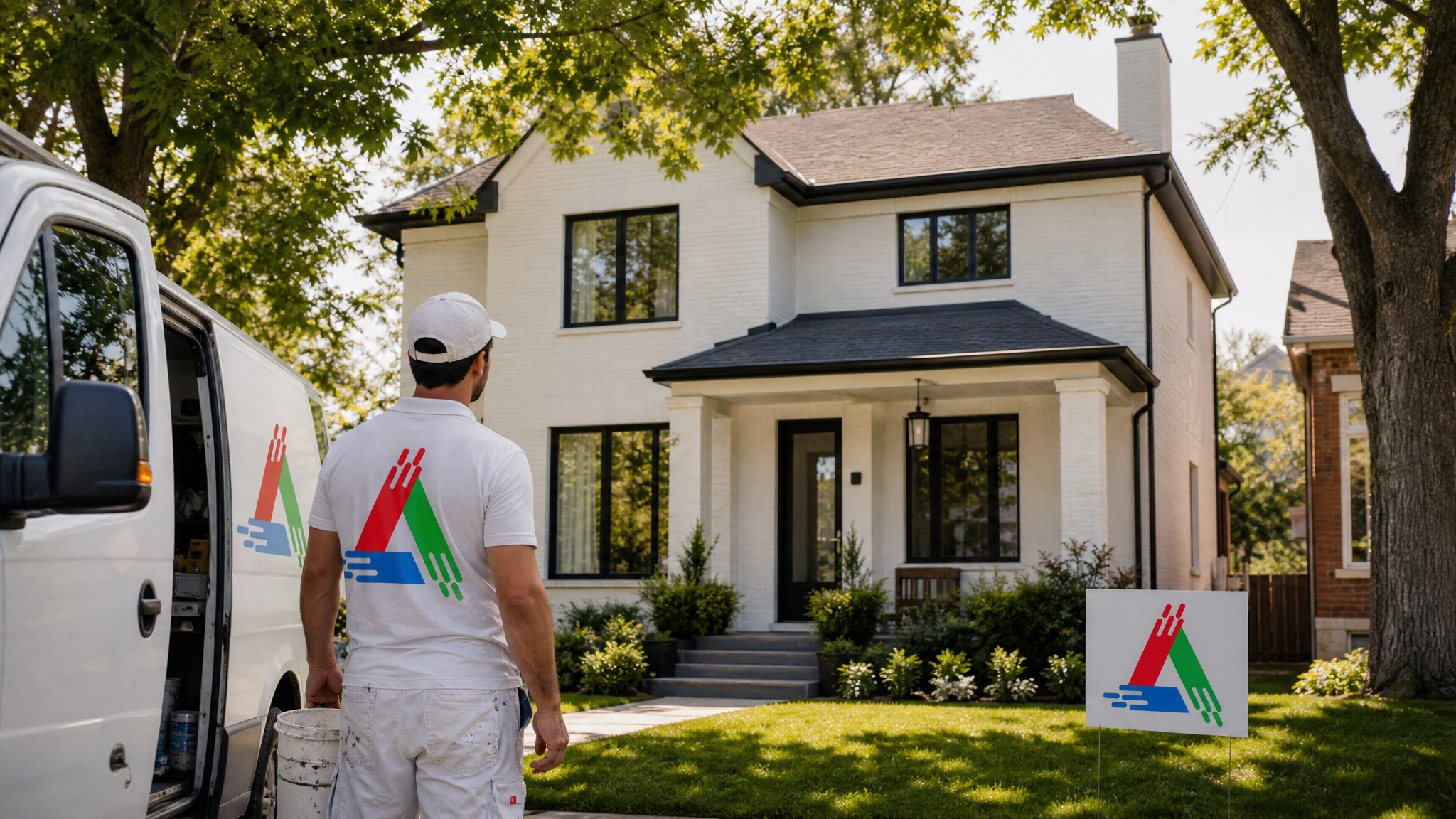
Brick Painting Toronto: Why Homeowners Are Coating Their Masonry
The appeal of brick painting Toronto services comes down to value. A full brick replacement or stone veneer overlay can run well into five figures, while a quality painted or stained finish delivers a dramatic visual change for a fraction of that. Painted brick reads as fresh, intentional, and contemporary, which matters in a competitive resale market where buyers form an opinion in the first eight seconds of seeing a home.
Beyond aesthetics, coatings can unify a facade where previous repairs left mismatched brick, hide permanent staining from old downspouts or efflorescence, and brighten north-facing elevations that always looked dingy. Toronto’s older housing stock, much of it built between 1900 and 1960, frequently carries soft, porous brick that has weathered unevenly. A breathable mineral coating can give that brick a clean, consistent appearance while still allowing trapped moisture to escape. Our team handles this work as part of our broader exterior painting Toronto services, where masonry coating is one of the most requested transformations.
That said, painting brick is a one-way decision. Once a coating is applied, removing it cleanly is nearly impossible without sandblasting, which damages the brick face. This is why the prep, product selection, and breathability questions below are not optional details. They determine whether you get a ten-year finish or a two-year headache.
Paint vs Stain: Which Is Right for Your Brick?
The single most important decision is whether to paint or stain. They behave very differently. Masonry paint sits on the surface as a film, fully covering the brick and the mortar in a uniform, opaque colour. Brick stain (often a mineral or silicate stain) penetrates and bonds with the masonry, tinting it while letting the natural texture and variation show through. Stain keeps far more of the brick’s breathability and never peels because there is no surface film to delaminate.
Paint offers complete colour control and maximum coverage of flaws, which is why most “white brick” makeovers use paint. Stain offers a more natural, weathered-in look, superior longevity, and lower maintenance, but it cannot dramatically lighten a dark red brick to crisp white. For many heritage-conscious owners in neighbourhoods like Cabbagetown or the Annex, stain is the preservation-friendly choice. For owners chasing a bright, modern farmhouse aesthetic, paint usually wins.
| Factor | Masonry Paint | Brick Stain |
|---|---|---|
| Finish | Opaque film, hides texture | Semi-transparent, shows texture |
| Breathability | Moderate to low (varies by type) | High, fully vapour permeable |
| Peeling risk | Possible if prep is poor | Will not peel (no surface film) |
| Colour change | Any colour, including light over dark | Tints existing tone, limited lightening |
| Lifespan in GTA | 8 to 12 years | 15 to 20+ years |
| Reversibility | Very difficult to remove | Effectively permanent but ages gracefully |
Understanding Breathability and Vapour Permeability
The phrase you will hear from any competent masonry painter is “the brick has to breathe.” Brick and mortar are porous and constantly exchange moisture vapour with the air. Water that gets behind the brick, from rain, ground moisture, or interior humidity, must be able to escape outward as vapour. If you trap it under an impermeable coating, that moisture freezes inside the brick during a Toronto winter, expands, and blows the face of the brick off in flakes. This failure is called spalling, and it is the most expensive mistake in brick coating.
Permeability is measured in “perms.” Highly breathable mineral and silicate coatings can exceed 20 perms, allowing vapour to pass freely. Standard latex house paint can sit below 10 perms, and old oil-based or elastomeric coatings can drop near zero. The colder and wetter the climate, the more breathability matters, and few climates punish masonry like the GTA’s. A coating that performs fine in Vancouver can fail in two seasons in Toronto.
This is why we steer most clients toward breathable mineral systems for older, softer brick. You can read more about how we approach this on our dedicated exterior brick painting Toronto page, where breathable coating systems are the default specification rather than an upsell.
Mineral vs Elastomeric vs Acrylic Masonry Paint
Not all masonry coatings are equal. The three main families behave so differently that choosing the wrong one is the leading cause of premature failure. Mineral (silicate or “potassium silicate”) paints chemically bond with the masonry and stay extremely breathable, making them the gold standard for heritage and soft brick. Acrylic masonry paints form a flexible film with decent breathability and excellent colour retention, a strong all-round choice for sound, modern brick. Elastomeric coatings are thick, rubbery, and crack-bridging, which sounds ideal but traps moisture and is usually wrong for residential brick in a freeze-thaw climate.
| Coating Type | Breathability | Best For | Avoid When |
|---|---|---|---|
| Mineral / Silicate | Very high (20+ perms) | Century homes, soft porous brick | Brick already sealed with film paint |
| Acrylic Masonry | Moderate (10 to 15 perms) | Sound modern brick, full colour change | Crumbling or saturated masonry |
| Elastomeric | Low (under 5 perms) | Stucco, certain block walls | Most residential GTA brick |
| Mineral Stain | Very high | Preserving natural brick look | You want a solid opaque colour |
For a typical Toronto home with original clay brick, a two-coat breathable mineral system is the safest specification. For newer brick in subdivisions across Mississauga or Oakville, a premium acrylic masonry paint usually delivers the colour change clients want with proven durability. The right call depends on a hands-on inspection, which is part of any professional house painting Toronto assessment.
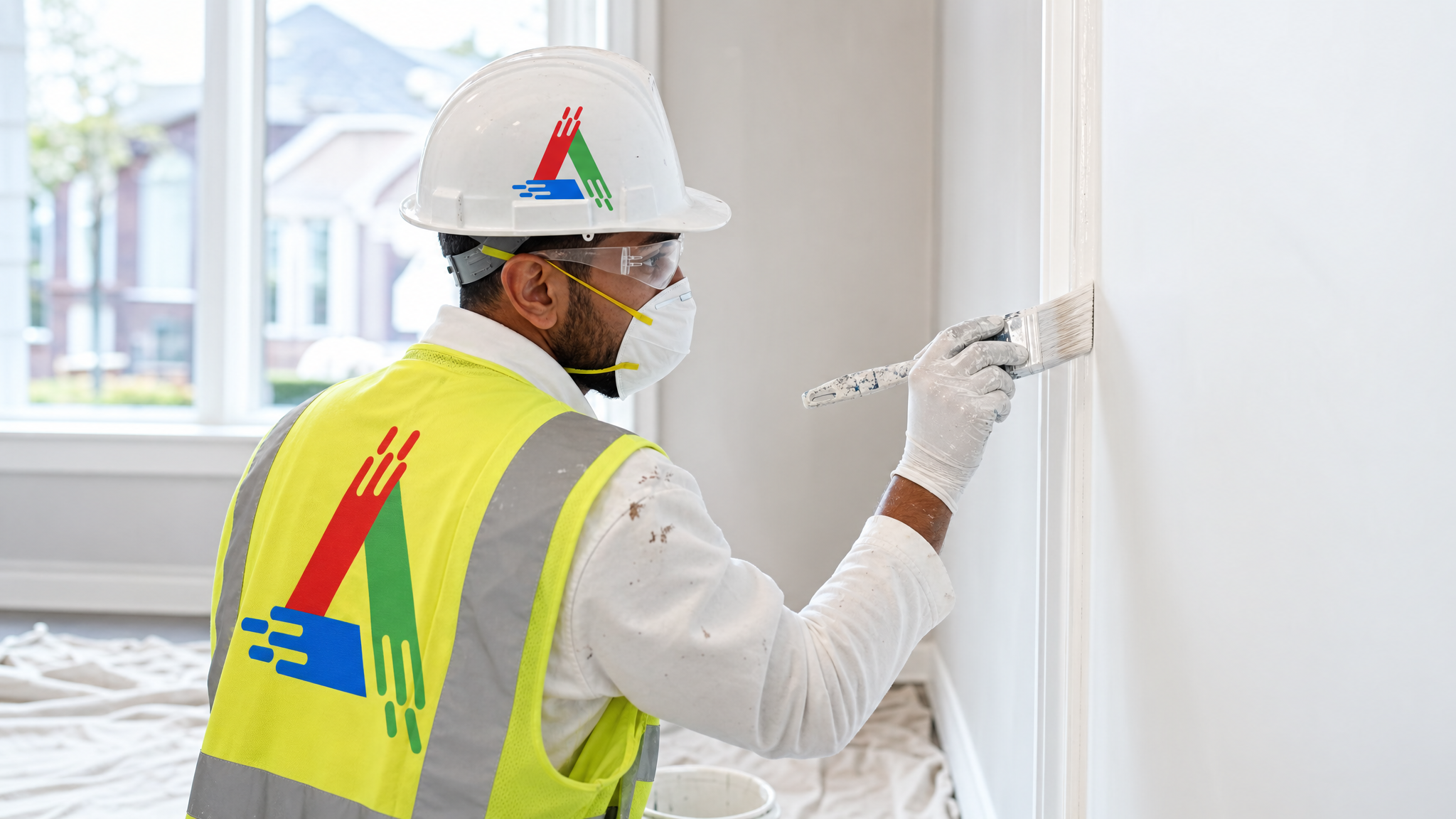
Prep Work: The 70 Percent That Decides Everything
Roughly seventy percent of a successful brick coating is preparation, and it is where corner-cutting contractors lose the job long before the paint fails. Brick prep is more involved than siding because the surface is porous, often dirty, and frequently carries efflorescence, that white powdery salt deposit that bleeds out of masonry as water evaporates. Painting over efflorescence guarantees adhesion failure, so it must be dry-brushed and chemically treated first, and the underlying moisture source identified.
A proper prep sequence includes a thorough pressure wash to remove dirt, biological growth, and chalking; full drying time of several dry days; repointing any failed or crumbling mortar joints; treating efflorescence and mildew; spot-priming repairs; and masking windows, trim, and landscaping. Skipping the cure time after washing is a classic Toronto error, because brick holds water deep in its core and a damp substrate will reject the coating.
| Prep Stage | What It Involves | Why It Matters |
|---|---|---|
| Pressure wash | Remove dirt, algae, chalk, loose material | Coating bonds only to clean, sound brick |
| Drying period | 2 to 4 dry days minimum | Trapped water causes peeling and spalling |
| Repointing | Repair cracked or missing mortar | Failed joints let water behind the wall |
| Efflorescence treatment | Brush off salts, treat, fix moisture source | Salts under paint destroy adhesion |
| Priming | Masonry-specific bonding primer | Locks down chalk and evens absorption |
Freeze-Thaw Durability in Toronto Winters
Toronto sees dozens of freeze-thaw cycles every winter, where daytime melt and overnight freeze repeat for months. Each cycle stresses any moisture held in the brick and any coating film on its surface. This relentless cycling is precisely why breathability is non-negotiable here and why elastomeric coatings that perform well in milder climates can fail catastrophically on GTA masonry. Water that cannot escape as vapour turns to ice, expands roughly nine percent in volume, and pushes coatings off and brick faces apart.
A breathable mineral or quality acrylic system applied over properly dried, repointed brick will ride out these cycles for a decade or more. The durability also depends on detailing: capping exposed brick tops, maintaining caulking around windows, keeping gutters clear so water is not constantly sheeting down the wall, and ensuring grading directs water away from the foundation. A coating is only as durable as the moisture management around it.
Colour Palettes for Century vs Modern Homes
Colour choice should respond to the home’s architecture. Century homes in the downtown core and inner suburbs carry detailing, brick texture, and proportions that suit muted, sophisticated tones. Crisp warm whites, soft greiges, charcoal, and deep heritage tones like olive or near-black flatter older facades and read as timeless rather than trendy. For these homes, limewashed or stained finishes that retain some brick variation often look more authentic than dead-flat opaque white.
Modern and builder-grade homes across Brampton, Markham, and Milton can carry bolder, cleaner contrasts: bright whites with black trim and windows, monochrome grey-on-grey schemes, or warm off-whites paired with natural wood accents. The current 2026 trend leans toward warm neutrals and away from the cool stark whites that dominated the late 2010s. Whatever the palette, exterior colours always read lighter and brighter outdoors at full scale, so most homeowners should select a shade slightly deeper than the chip suggests.
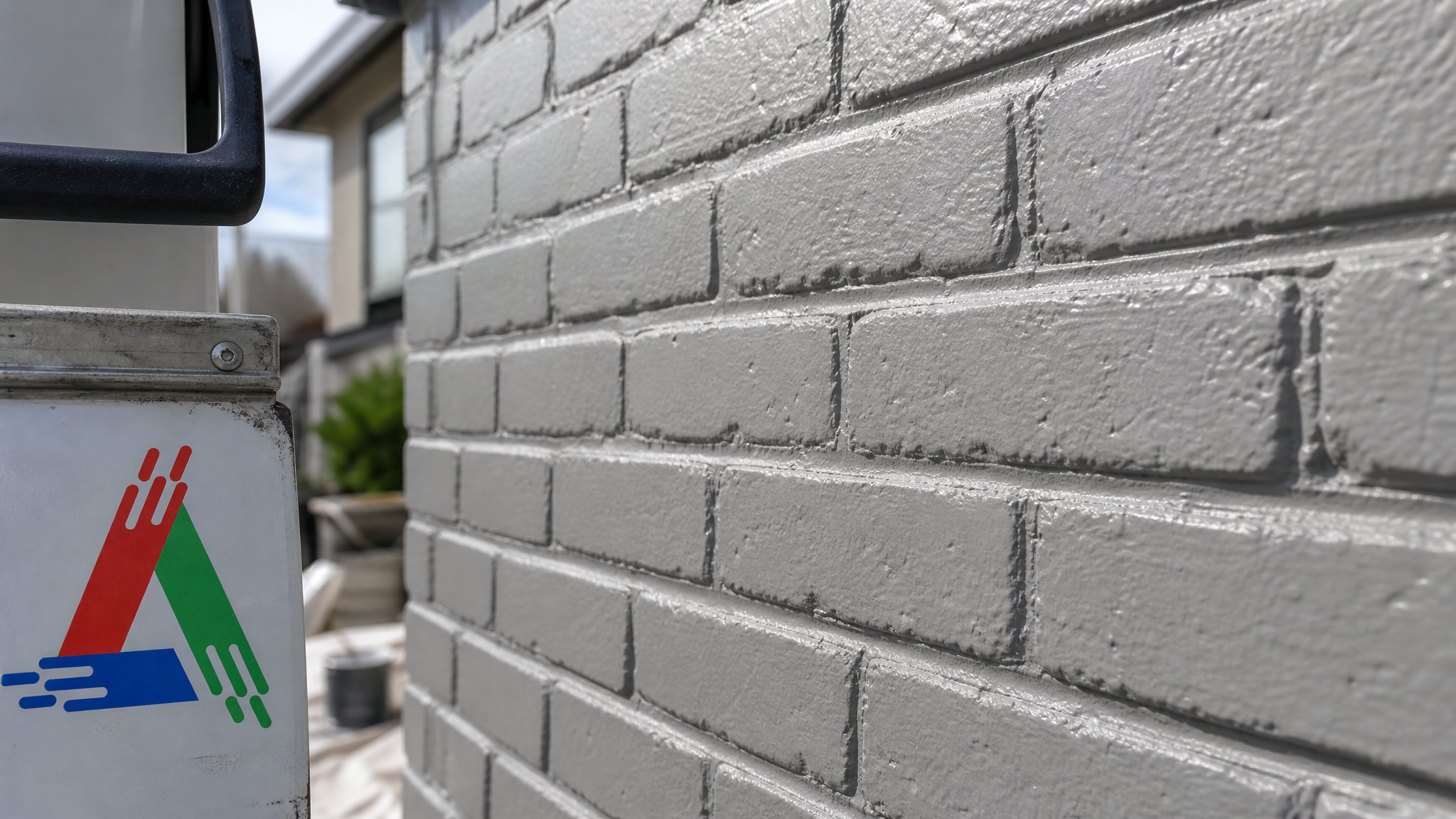
What Brick Painting Costs in the GTA in 2026
Cost depends on home size, number of storeys, brick condition, the amount of prep and repointing required, and whether you choose paint or premium breathable stain. Multi-storey homes cost more because of staging and access. Heavily deteriorated brick that needs extensive repointing and efflorescence remediation will add to the prep line. The figures below reflect typical 2026 GTA pricing for professional, fully prepped work, not budget single-coat jobs that fail early.
| Home Size / Type | Typical Project Cost (2026) | Estimated Timeline |
|---|---|---|
| Semi / townhouse (front only) | $3,500 to $6,500 | 2 to 4 days |
| Detached bungalow (full) | $7,000 to $12,000 | 4 to 6 days |
| Two-storey detached (full) | $11,000 to $18,000 | 6 to 9 days |
| Large / heavy repointing needed | $18,000 to $28,000+ | 9 to 14 days |
Premium breathable mineral systems and stains cost more in materials than basic latex but pay back through a longer service life and fewer recoats. Bundling brick work with trim, doors, or fence painting often improves the per-unit price, and many homeowners pair it with interior refreshes handled by our interior painting Toronto crews during the same season.
Maintenance and When NOT to Paint Brick
A painted brick facade is low-maintenance but not no-maintenance. Plan on an annual gentle wash to remove dirt and biological growth, a yearly visual check of caulking and mortar, and prompt attention to any hairline cracks or chips before water gets in. A breathable system may want a refresh coat around the ten-year mark, while a quality stain can go far longer untouched.
Just as important is knowing when not to coat brick at all. If the brick is actively spalling, saturated, or suffering from rising damp, painting will only trap the problem and accelerate damage; the moisture source must be fixed first. Brand-new brick should cure for at least a year before any coating. Brick that is in beautiful original condition and suits the home may simply not need paint, and coating it sacrifices reversibility for no real gain. An honest contractor will tell you when the best decision is to leave the brick alone, and that judgment is exactly what a professional inspection provides.
Does brick painting Toronto work cause the brick to crack or spall?
Should I paint or stain my brick?
How long does painted brick last in Toronto’s climate?
What does brick painting Toronto cost in 2026?
Can painted brick be removed later if I change my mind?
When should I NOT paint my brick?
Schedule Your Brick Painting Toronto Project Today
If you are ready to transform your facade, a professional, breathable approach to brick painting Toronto is the difference between a finish that lasts a decade and one that fails in two winters. All Painting specializes in correctly prepped, breathable masonry coatings and stains tailored to your home’s age, brick type, and the realities of the GTA climate.
Call us today at (416) 710-4224 or request a free painting quote to book an on-site inspection and get an honest recommendation on whether to paint, stain, or leave your brick as is.
All Painting proudly serves homeowners across Toronto, Mississauga, Oakville, Burlington and the GTA with expert exterior and interior painting.