
One of the first questions homeowners ask before booking a project is simple: how long does it take to paint a house? The honest answer is that it depends on the scope, the surfaces, the weather, and the crew size. A single bedroom can be brushed and rolled in a day, while a full interior-and-exterior repaint on a detached Toronto home can run one to two weeks. Understanding how long does it take to paint a house helps you plan around work schedules, family life, and the summer season when exterior painting and staining are at their best in the Greater Toronto Area. This guide breaks down realistic timelines, the prep work that eats up most of the calendar, and how professional planning keeps a project moving. Whether you are refreshing a condo, staining a backyard deck, or repainting brick, knowing the real timeline sets fair expectations from day one.
How Long Does It Take to Paint a House: The Realistic Range
When people ask how long does it take to paint a house, they usually picture the rolling and brushing. In reality, painting is only a fraction of the total time. Preparation, cleaning, repairs, priming, and drying between coats make up the majority of any professional schedule. For a typical GTA home, the total duration ranges from a single day for a small room to more than two weeks for a comprehensive interior and exterior transformation with cabinet refinishing and staining included.
The variables that move the needle most are square footage, ceiling height, the number of colours, surface condition, and how much repair work the walls need. A smooth, well-maintained wall paints far faster than one with cracks, nail pops, water stains, or old wallpaper that must come down first. Below is a practical breakdown of how long different projects take when handled by an experienced crew.
| Project Type | Typical Size | Crew of 2-3 | Main Time Driver |
|---|---|---|---|
| Single bedroom or office | 10 x 12 ft | 1 day | Cut-in and two coats |
| Condo unit repaint | 700-1,000 sq ft | 2-3 days | Number of rooms and colours |
| Interior of detached home | 2,000-2,800 sq ft | 4-7 days | Wall repairs and trim |
| Full exterior repaint | 2-storey detached | 4-6 days | Prep, weather, drying |
| Interior + exterior combined | Full home | 10-14 days | Sequencing and cure times |
These figures assume a professional crew with proper equipment. A solo do-it-yourself effort typically takes two to three times longer, because one person cannot cut in, roll, and manage drying windows simultaneously. So when you weigh how long does it take to paint a house yourself versus hiring a team, factor in the multiplier as well as the learning curve.
What Actually Fills the Timeline: Prep, Repairs, and Drying
Ask any seasoned painter how long does it take to paint a house and they will tell you the paint goes on quickly, but the preparation is where the days go. On most projects, prep and repair account for forty to sixty per cent of the total labour. Skipping this stage is the single biggest reason a cheap paint job fails within two or three years. Proper preparation is what separates a finish that lasts a decade from one that peels by the next summer.
Here is what a thorough prep sequence involves before a single finish coat is applied:
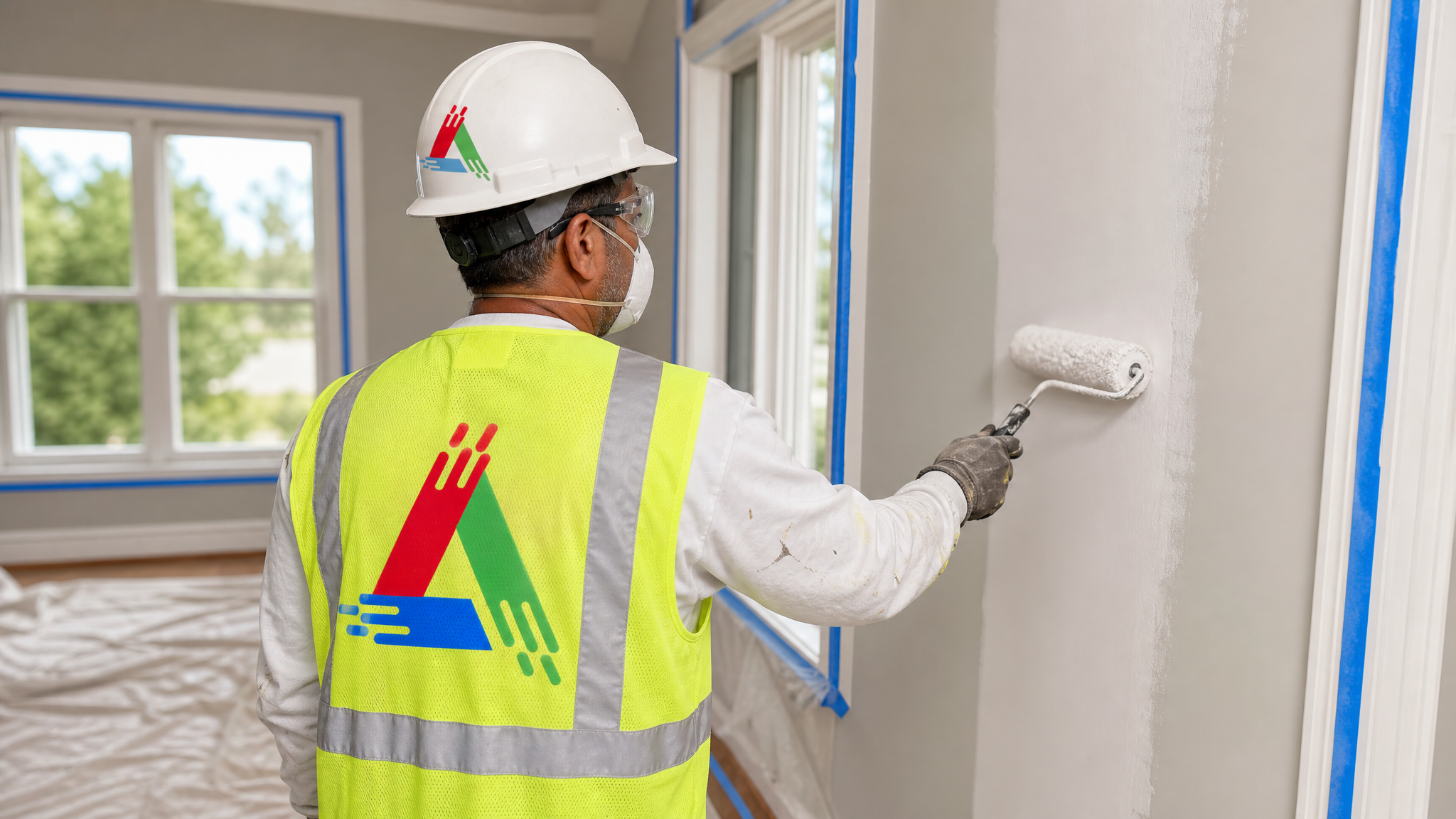
- Protection and masking: Drop sheets over floors, plastic over furniture, and painter’s tape along trim, outlets, and edges.
- Cleaning: Washing away dust, grease, and grime so paint bonds properly, especially in kitchens and bathrooms.
- Repairs: Filling cracks, patching nail holes, fixing drywall damage, and sanding rough patches smooth.
- Caulking: Sealing gaps around trim, baseboards, and windows for a crisp, finished look.
- Priming: Spot-priming repairs or full priming over stains, bare drywall, and dramatic colour changes.
Drying and recoat times also shape how long does it take to paint a house. Modern acrylic latex paints are dry to the touch within an hour, but most manufacturers recommend waiting two to four hours before recoating, and a full cure can take up to thirty days. During summer in Toronto, warm temperatures and moderate humidity speed surface drying, which is one reason July and August are ideal months for both interior and exterior painting in Toronto. Our interior painting teams sequence rooms so one area cures while another is being prepped, keeping the project on pace.
Interior vs. Exterior: How the Timeline Changes
Interior and exterior projects follow very different clocks. Indoors, the work is weather-independent, so a crew can maintain a steady pace regardless of the forecast. Outdoors, the schedule bends to temperature, humidity, and rain, which is why timing matters so much. Understanding how long does it take to paint a house on the outside means accepting that weather can add a day or two even to a well-planned job.
Interior repaints move room by room. A crew will typically finish common areas first, then bedrooms, saving trim and doors for last so freshly painted walls are protected. Exterior work follows the sun and the surface: siding, brick, trim, soffits, fascia, and the front door each have their own prep and product requirements. Warm, dry summer days are perfect for house painting in Toronto, giving coatings the ideal conditions to cure hard and adhere well.
| Factor | Interior Painting | Exterior Painting |
|---|---|---|
| Weather dependency | None | High |
| Ideal season in GTA | Year-round | May to September |
| Drying between coats | 2-4 hours | 3-6 hours |
| Main prep task | Patching and sanding | Scraping and washing |
| Typical detached duration | 4-7 days | 4-6 days |
Specialty surfaces have their own timelines. Exterior brick painting needs masonry-specific primers and extra drying, while aluminum siding painting requires thorough cleaning and bonding primers before the finish coats go on. Each specialty step adds time but dramatically improves durability, so the extra day is well spent.
Cabinets, Decks, and Staircases: Specialty Projects
Not every painting project is a wall. Cabinets, decks, fences, and staircases involve refinishing and staining, which change the answer to how long does it take to paint a house-related feature. These projects are detail-heavy and reward patience, because the finish takes direct wear from hands, feet, and weather.
Kitchen cabinet painting is one of the most time-sensitive projects. Doors and drawer fronts are removed, labelled, cleaned, sanded, primed, and sprayed with multiple thin coats, then given ample cure time before rehanging. A full kitchen typically takes four to six days, largely because a sprayed factory-smooth finish cannot be rushed. Reinstalling hardware too early leaves fingerprints in soft paint that ruin the look.
Deck and fence staining is a signature summer job across the GTA. A wood deck must be cleaned, sometimes stripped of old coating, sanded, and left to dry to the right moisture level before stain is applied. Applying stain to damp wood traps moisture and causes premature failure, so patience here protects the whole investment. A standard backyard deck runs two to three days including drying. Staircase painting and staining is similarly meticulous because treads need to be usable between coats, and families still need to move through the home safely while the finish cures.
Crew Size, Home Occupancy, and Other Timeline Factors
Several practical factors influence how long does it take to paint a house beyond just square footage. Crew size is the most obvious: a three-painter team finishes roughly fifty per cent faster than a solo painter, though coordination and drying windows keep it from being a perfectly linear gain. A larger crew also means more masking and cleanup happening in parallel.
Whether you stay in the home matters too. Living in the space during an interior repaint means the crew works around your furniture and daily routine, which can extend the schedule slightly. An empty home, or one where rooms are cleared in advance, moves noticeably faster. The colour choice plays a role as well, since dramatic changes such as painting over a deep red or covering dark panelling may require an extra primer coat.
| Factor | Speeds Up Timeline | Extends Timeline |
|---|---|---|
| Wall condition | Smooth, well-maintained | Cracks, water damage, wallpaper |
| Colour change | Similar shade | Dark to light or vice versa |
| Occupancy | Empty or cleared rooms | Fully furnished, occupied |
| Ceiling height | Standard 8-9 ft | Vaulted or cathedral |
| Number of colours | One or two | Accent walls throughout |
Older Toronto homes often carry surprises behind the walls, such as plaster cracks, layered wallpaper, or textured ceilings. Wallpaper removal, drywall repairs, and popcorn ceiling removal each add days but are best handled before the finish coats. A proper on-site assessment catches these issues early so the timeline stays honest and there are no mid-project surprises.
2026 Pricing and How Timeline Affects Cost in Toronto
Timeline and cost are closely linked, because most professional painting is priced by scope and labour hours. Knowing how long does it take to paint a house also helps you understand where your budget goes. In 2026, GTA painting rates reflect skilled labour, quality coatings, and thorough preparation. A well-prepped job costs more up front but lasts far longer, saving money over the life of the finish.
As a general guide for the Toronto and GTA market in 2026, interior repaints run roughly $3 to $6 per square foot depending on prep, while exterior projects range higher due to setup, ladders, and weather management. Cabinet refinishing is often quoted per door and drawer, and deck staining is priced by the square metre of surface. A detailed written quote should always specify the scope, number of coats, and expected duration so you can compare fairly.
Commercial and multi-unit work follows its own rhythm. Commercial painting is frequently scheduled after hours or in phases to avoid disrupting business, while condominium painting may involve building rules, elevator bookings, and common-area coordination that shape the calendar. Homeowners across the region, from Mississauga and Oakville to Markham, Burlington, Hamilton, and Richmond Hill, benefit from summer scheduling when both interior and exterior work can proceed efficiently. You can read verified customer reviews or learn more about our team to see how we keep projects on schedule.
Why Professional Results Are Worth It for How Long Does It Take To Paint A House
Homeowners across the GTA often weigh doing how long does it take to paint a house themselves against hiring a professional crew, and the honest answer is that the visible result and how long it lasts usually justify the investment. A professional team brings the right products for the surface and climate, the preparation experience that prevents early failure, and the equipment to deliver a clean, even finish that a weekend effort rarely matches. The time saved and the years of added durability typically outweigh the upfront difference in cost.
Just as important is accountability. An established, insured painting company stands behind its work, shows up on schedule, protects your home during the project, and leaves the site clean. That peace of mind, combined with a finish that holds up to Toronto’s seasons, is what separates a satisfying how long does it take to paint a house project from one that has to be redone far too soon.
How long does it take to paint a house interior in Toronto?
How long does it take to paint a house exterior?
Why does professional painting take more than one day?
Does painting take longer if I stay in the home?
How long does cabinet or deck refinishing add to a project?
Can weather delay how long it takes to paint a house?
Book Your Painting Project on a Realistic Timeline Today
Now that you know how long does it take to paint a house across every type of project, the next step is a clear, written plan built around your home and your schedule. All Painting provides detailed timelines and honest quotes so you know exactly what to expect from day one, whether you are refreshing a single room, refinishing cabinets, staining a summer deck, or repainting your entire exterior.
Call us today at (416) 710-4224 or request a free quote to get started.
All Painting proudly serves Toronto, Mississauga, Oakville, Markham, Burlington, Hamilton, Richmond Hill and the GTA.