
Regular painting maintenance is one of the most cost-effective ways to protect your Toronto home investment. Paint does far more than provide colour and aesthetics — it serves as your home primary barrier against moisture, UV damage, temperature extremes, and the harsh Canadian elements that Toronto homes endure year-round.
In this comprehensive guide, All Painting explains how to establish a painting maintenance schedule that protects your home, extends the life of your paint job, and prevents the costly repairs that result from deferred maintenance.
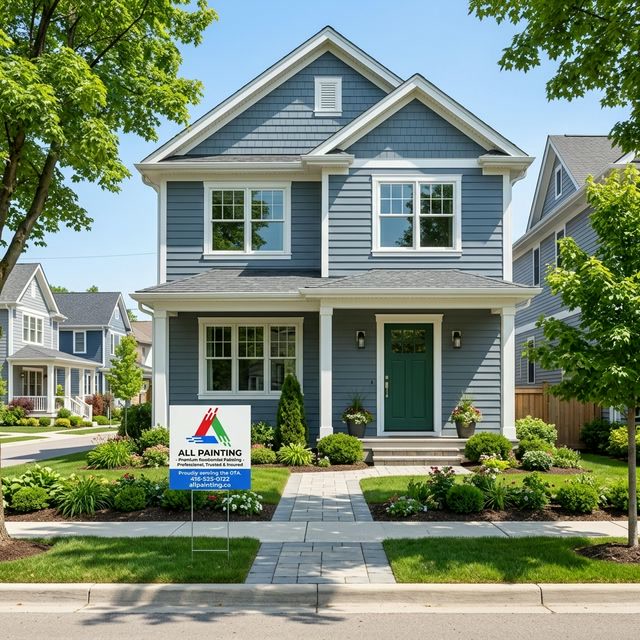
Why Painting Maintenance Matters in Toronto
Toronto unique climate creates specific challenges for residential paint. The extreme temperature swings — from -25°C winter lows to +35°C summer highs — cause building materials to expand and contract repeatedly, stressing paint films. Combined with UV radiation, freeze-thaw moisture cycling, wind-driven rain, and ice dam formation, Toronto homes experience some of the harshest conditions for exterior paint in Canada.
| Climate Factor | Effect on Paint | Common Damage | Prevention |
|---|---|---|---|
| Freeze-Thaw Cycles | Moisture infiltrates cracks, freezes, expands | Peeling, cracking, bubbling | Seal cracks before winter, use flexible acrylic paint |
| UV Radiation | Breaks down paint binders and pigments | Chalking, fading, colour loss | Use UV-resistant exterior paint, lighter colours |
| Wind-Driven Rain | Forces water behind paint film | Blistering, wood rot underneath | Maintain caulk joints, repair any damaged areas promptly |
| Ice Dams | Trapped water backs up under eaves and soffits | Paint peeling along roofline, water staining | Address attic ventilation, repaint soffits regularly |
| Summer Heat | Excessive surface temperatures during application | Poor adhesion if painted in direct sun above 35°C | Paint in shade, early morning, or evening |
How Long Does Paint Last on Toronto Homes?
Paint longevity varies dramatically based on surface type, paint quality, preparation quality, and exposure conditions. Here are realistic timelines for properly applied, quality paint in Toronto conditions:
| Surface | Paint Type | Expected Lifespan | Signs Maintenance Is Needed |
|---|---|---|---|
| Interior Walls | Premium latex (eggshell/satin) | 7 – 10 years | Scuffs, stains, colour dating |
| Interior Trim | Alkyd-hybrid semi-gloss | 5 – 7 years | Yellowing, chipping, wear at touch points |
| Kitchen / Bath Walls | Moisture-resistant satin | 4 – 6 years | Mould spots, moisture damage, grease staining |
| Exterior Wood Siding | Premium acrylic latex | 5 – 8 years | Chalking, cracking, peeling, fading |
| Exterior Trim | Premium acrylic semi-gloss | 4 – 6 years | Peeling, bare wood exposed, caulk failure |
| Exterior Stucco | Elastomeric or acrylic | 8 – 12 years | Hairline cracks, discolouration, staining |
| Front Door | Exterior semi-gloss or satin | 2 – 3 years | Wear from constant use, UV fading |
| Deck / Fence | Exterior stain or solid colour | 2 – 4 years | Wood greying, water no longer beads |
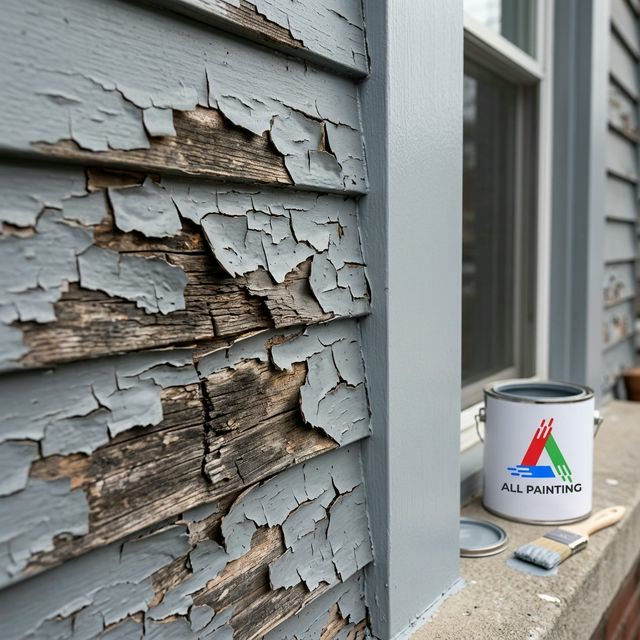
Seasonal Painting Maintenance Checklist for Toronto Homes
The most effective approach to painting maintenance is a seasonal inspection routine that catches problems early before they become expensive repairs. Here is our recommended annual schedule:
Spring (April – May)
- Walk around the entire exterior and inspect all painted surfaces for winter damage: cracking, peeling, bubbling, or bare wood exposure.
- Check all caulk joints around windows, doors, and trim. Replace any cracked, separated, or missing caulk with premium paintable exterior caulk.
- Inspect soffits and fascia for water damage, peeling paint, or signs of ice dam damage from winter.
- Power wash the exterior to remove winter grime, salt residue, and mildew before it damages the paint film.
- Touch up any small areas of damage before they spread — a $50 touch-up in spring prevents a $500 repair in fall.
Summer (June – August)
- Schedule any major exterior painting or repainting projects during summer for optimal paint adhesion and drying conditions.
- Check south-facing and west-facing walls for UV damage — these receive the most sun exposure and fade fastest.
- Inspect deck, fence, and porch paint or stain for wear during peak outdoor entertaining season.
- Touch up interior paint scuffs and marks accumulated over the year before fall entertaining season.
Fall (September – October)

- Complete any remaining exterior painting projects before temperatures drop below 10°C overnight (most exterior paints require 10°C+ for proper curing).
- Final exterior inspection and touch-up before winter — seal any exposed wood, fill cracks, and ensure all painted surfaces are intact before freeze-thaw cycles begin.
- Clean gutters and downspouts to prevent water overflow that causes paint damage along fascia and siding.
- Schedule interior painting projects for fall and winter when professional painters have more availability and sometimes offer seasonal pricing.
Winter (November – March)
- Interior painting only — winter is an excellent time for interior projects because indoor humidity is low (dry air helps paint cure).
- Monitor interior surfaces near exterior walls for condensation, water stains, or mould growth that may indicate moisture infiltration through failed exterior paint.
- Plan and budget for spring exterior maintenance based on your fall inspection findings.
Common Paint Failures and How to Fix Them
| Paint Failure | Cause | Fix | Prevention |
|---|---|---|---|
| Peeling | Moisture behind paint, poor adhesion, inadequate prep | Scrape loose paint, prime bare areas, repaint | Proper prep, moisture barriers, quality primer |
| Blistering | Heat blisters (painting in hot sun) or moisture blisters | Let dry, sand smooth, prime and repaint | Paint in shade, fix moisture source |
| Chalking | Natural UV degradation of paint binder | Power wash, prime with bonding primer, repaint | Use UV-resistant paint, lighter colours on sun-exposed walls |
| Cracking / Alligatoring | Too many thick coats, incompatible paint layers, old age | Strip to sound surface, prime, repaint | Apply thin, even coats; use compatible products |
| Mildew / Mould | Moisture + warmth + organic material in paint film | Kill mildew with bleach solution, prime with mould-resistant primer, repaint | Use mildew-resistant paint, improve ventilation and drainage |
| Yellowing | Oil-based paint aging, low light exposure, cooking grease | Clean surface, repaint with non-yellowing latex | Use high-quality water-based paint for trim in low-light areas |
The True Cost of Deferred Painting Maintenance
Postponing painting maintenance seems like a money-saving strategy, but the compounding cost of deferred maintenance quickly exceeds the cost of regular upkeep. Here is how neglected paint maintenance escalates in Toronto:
| Year 1-3 | Year 4-6 | Year 7-10 | Year 10+ |
|---|---|---|---|
| Minor chalking, fading | Cracking begins, caulk fails | Peeling, bare wood exposed | Wood rot, structural damage |
| Touch-up cost: $200 – $500 | Repair cost: $500 – $1,500 | Repaint cost: $3,000 – $8,000 | Replacement cost: $10,000 – $30,000+ |
As this table demonstrates, a $500 touch-up in year 3 can prevent a $30,000 siding replacement in year 12. Regular painting maintenance is not an expense — it is insurance against catastrophic repair costs that protect your largest financial investment.
How often should I repaint the exterior of my Toronto home?
Most Toronto home exteriors need full repainting every 5 to 8 years for wood siding, 8 to 12 years for stucco, and 10 to 15 years for brick. However, annual maintenance — caulking, touch-ups, and power washing — can extend these timelines by 2 to 3 years. Homes with significant sun exposure or those in areas with heavy tree cover may need more frequent attention.
What causes paint to peel on Toronto homes?
The most common causes of paint peeling on Toronto homes are moisture infiltration (from failed caulk, ice dams, or inadequate vapour barriers), inadequate surface preparation (painting over dirty or unsound surfaces), and paint film failure from age and UV exposure. Toronto freeze-thaw cycles accelerate peeling by forcing trapped moisture to expand as it freezes behind the paint film.
Can I paint my house exterior in winter in Toronto?
No. Exterior painting in Toronto requires overnight temperatures consistently above 10°C for proper paint curing. This typically limits exterior painting to May through October. Painting in cold temperatures results in poor adhesion, cracking, and premature paint failure. Interior painting, however, can be done year-round.
How do I maintain interior paint to make it last longer?
To extend interior paint life: clean scuffs and marks promptly with a damp cloth and mild soap, touch up nicks and scratches with reserved paint from the original job, maintain consistent humidity levels (30-50% RH) to prevent moisture damage, and use furniture pads on walls to prevent furniture scuffs. Quality paint in satin or eggshell finish is easier to clean and lasts longer than flat finishes.
What is the best time of year to paint a house in Toronto?
Late spring (May-June) and early fall (September-October) are the ideal seasons for painting maintenance in Toronto. These seasons offer moderate temperatures, lower humidity, and stable weather conditions that are optimal for paint application and curing. Summer is also good but very hot days (above 30°C) can cause paint to dry too quickly.
How much does exterior painting maintenance cost in Toronto?
Annual exterior painting maintenance (inspection, caulking, minor touch-ups, power washing) typically costs $300 to $800 for a typical Toronto detached home. Full exterior repainting costs $4,000 to $8,000+ depending on home size, number of storeys, surface condition, and paint quality. Contact All Painting for a free assessment of your home maintenance needs.
Do not wait until paint failure becomes structural damage. Contact All Painting for a free exterior painting assessment and maintenance plan for your Toronto home. Our experienced team can identify areas of concern, recommend the right maintenance schedule, and provide cost-effective solutions that protect your home for years to come. Call (416) 710-4224.