
Stucco is one of the most common and most misunderstood exterior surfaces in the Greater Toronto Area. It wraps countless homes across Etobicoke, North York, Mississauga and Vaughan, and when it is fresh it looks crisp, seamless and architectural. When it fades, chalks or hairline-cracks, it can drag down the entire curb appeal of an otherwise sound house. Painting stucco exterior surfaces is the fastest, most cost-effective way to restore that clean look, protect the cladding from Toronto’s freeze-thaw cycles, and add years to the life of the wall. But stucco is not siding and it is not brick, and treating it like either is exactly how homeowners end up with peeling, blotchy walls two summers later.
This guide walks through everything All Painting’s crews check and do when painting stucco exterior walls in the GTA: how we inspect and prep the surface, which patching and priming steps are non-negotiable, what paints and finishes actually hold up in our climate, realistic 2026 pricing, and how to make the finish last a decade or more. Whether your stucco is traditional cement-based render or a modern acrylic (EIFS) system, the fundamentals of a lasting paint job are the same, and getting them right in warm summer weather sets you up for a coating that ages gracefully.
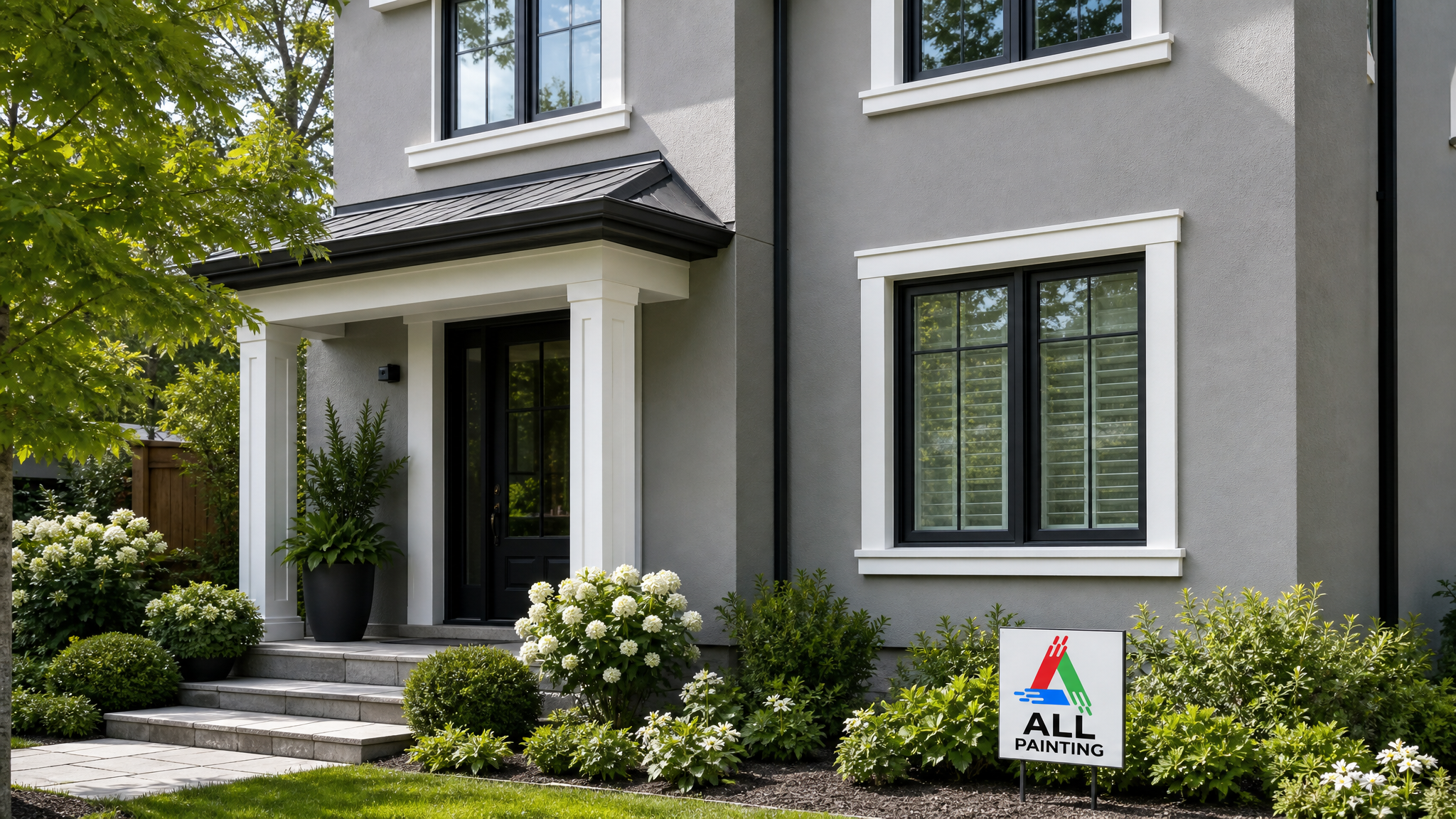
Why Painting Stucco Exterior Walls Is Different
The single biggest mistake we see is homeowners approaching painting stucco exterior walls the same way they would a smooth wood or metal surface. Stucco is porous, textured and mildly alkaline, and each of those traits changes how paint behaves. The porosity means the surface drinks up coating, so you need more product and often a dedicated masonry primer. The heavy texture means a brush and a standard roller alone will leave pinholes and holidays unless you spray and backroll. And the alkalinity of cement-based stucco can attack the wrong kind of paint from underneath, causing a failure called saponification where the film turns gummy.
Stucco also moves. Toronto’s swings from humid summers to deep winter freeze mean the wall expands and contracts, and rigid coatings crack along with it. That is why the paints we choose for stucco are engineered to flex. Done properly, painting stucco exterior cladding does more than change the colour; it bridges hairline cracks, seals the surface against wind-driven rain, and creates a breathable film that lets trapped moisture escape rather than blistering the coat. The right approach protects the substrate. The wrong one traps water and accelerates the very damage you were trying to prevent. If you are weighing a full exterior painting project, understanding these differences is what separates a five-year result from a fifteen-year one.
Inspecting Stucco Before Any Paint Touches the Wall
Every lasting stucco job begins with a slow, honest inspection. Before we quote or prep, we walk the entire perimeter and look for the conditions that predict paint failure. Cracks are sorted by width: hairline cracks under about 2 millimetres are cosmetic and can be filled with an elastomeric patching compound, while wider or stair-step cracks can signal structural movement or foundation settlement that needs to be addressed before painting, not covered over.
We also check for efflorescence, the chalky white mineral bloom that appears when moisture wicks through the render and deposits salts on the surface. Painting over active efflorescence guarantees adhesion failure, so the moisture source has to be found and the deposits removed first. We look for spalling and delamination, especially on EIFS systems where the foam and mesh can pull away from the wall, and we probe soft or hollow-sounding areas that indicate water has already gotten behind the finish. Finally we assess the existing coating: is it chalking heavily, is it peeling, and is it oil or latex? All of these findings shape the prep plan and the quote.
| Stucco Condition | What It Signals | Required Action Before Painting |
|---|---|---|
| Hairline cracks (under 2 mm) | Normal thermal movement | Fill with elastomeric or acrylic patching compound |
| Wide or stair-step cracks | Possible structural or foundation movement | Investigate cause; repair before coating |
| White chalky bloom (efflorescence) | Moisture migrating through render | Find water source; dry-brush and neutralize salts |
| Hollow or soft spots | Water behind stucco or EIFS delamination | Cut out and re-render affected sections |
| Heavy surface chalking | Degraded old coating | Pressure wash and apply bonding primer |
Skipping the inspection is how a job that should have taken careful prep turns into a callback. A thorough walkthrough is also where an experienced crew earns its quote, because painting stucco exterior walls well is 70 percent preparation and 30 percent application.
Cleaning, Patching and Priming: The Real Prep Work
Once the inspection is complete, prep proceeds in a strict order. First is a thorough cleaning. Stucco holds decades of dust, pollen, road grime, cobwebs and, on shaded north-facing walls, mildew and algae. We pressure wash the entire surface, usually at a moderate 1,500 to 2,500 PSI so we clean effectively without eroding the texture or driving water behind the render. Where mildew is present, a diluted cleaning solution kills the spores so they do not bloom back through the fresh paint. After washing, the wall must dry completely, which in a Toronto summer typically means giving it 24 to 48 hours of warm, dry weather before priming.
Next comes patching. Hairline cracks are filled with a flexible acrylic or elastomeric compound worked into the crack and feathered to match the surrounding texture. Larger repairs are re-rendered with a stucco patch mix and left to cure. Matching texture is a craft in itself; a good patcher can dab, sponge or knock down the new material so the repair disappears under paint rather than telegraphing through it.
Priming is where painting stucco exterior surfaces genuinely differs from other work. Bare or heavily chalking stucco needs a high-quality masonry or bonding primer that penetrates the pores, locks down chalk, and neutralizes alkalinity so the topcoat can adhere. New stucco is especially alkaline and should cure for at least 28 to 60 days before painting, or be sealed with an alkali-resistant primer. Skipping primer on porous or chalky stucco is the number one cause of premature peeling. We also mask and protect windows, trim, light fixtures, walkways and landscaping before a drop of paint is sprayed, because overspray on stucco jobs travels.
Choosing the Right Paint and Finish for GTA Stucco
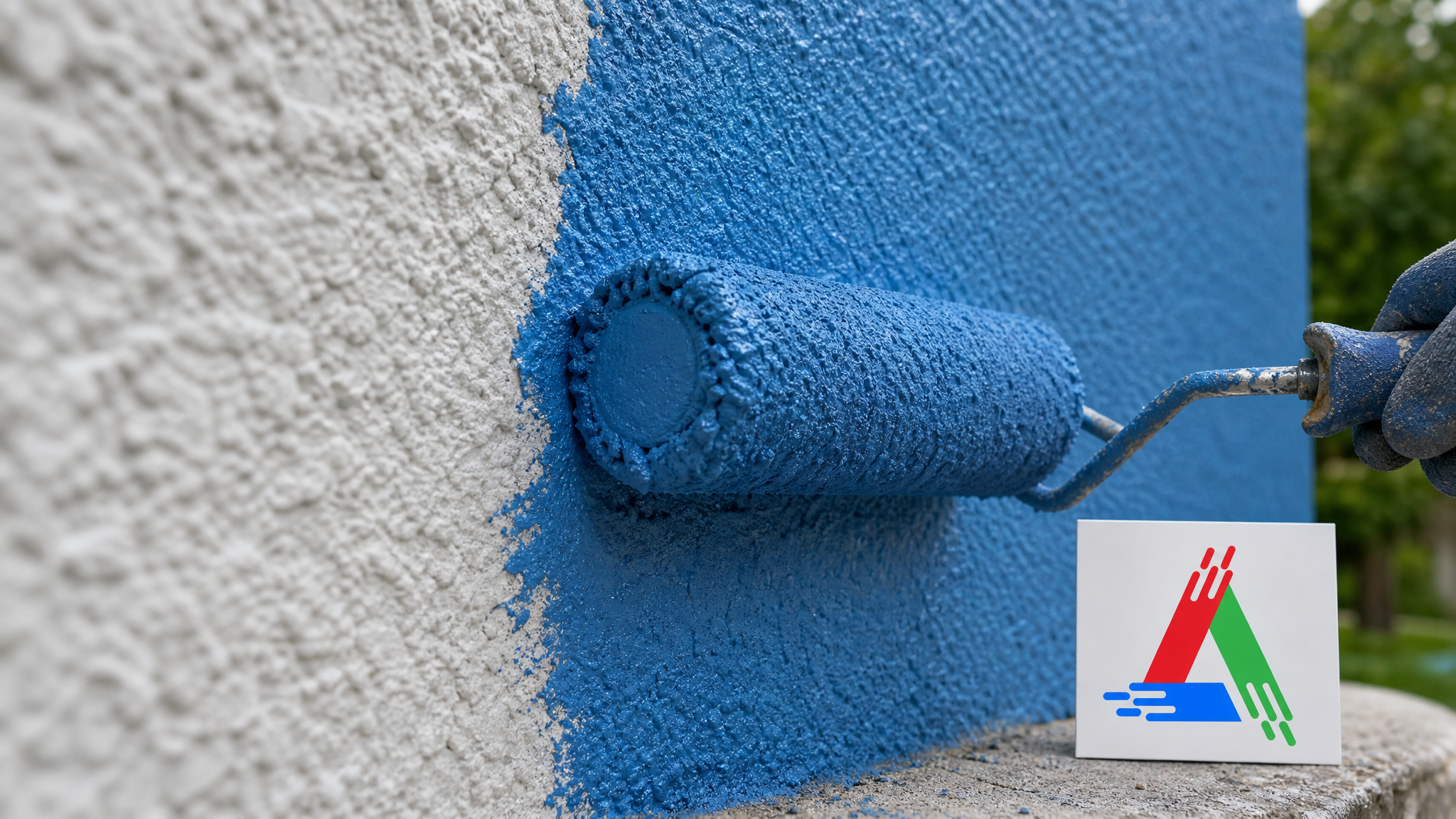
Product selection makes or breaks a stucco job. The wall needs a coating that flexes with seasonal movement, breathes so trapped moisture can escape, and resists UV fade through our long summer days. For most GTA homes we reach for a premium 100 percent acrylic latex masonry paint, which offers the best balance of flexibility, breathability, colour retention and cost. On walls with a history of hairline cracking, a true elastomeric coating is worth the premium; it goes on thick, bridges small cracks and creates a waterproof yet vapour-permeable membrane, though it must be applied correctly or it can trap moisture.
Finish sheen matters too. Flat and low-sheen finishes are the traditional choice for stucco because they hide surface irregularities and read as natural masonry, while a satin or eggshell gives slightly better washability and dirt resistance at the cost of highlighting texture. We rarely recommend anything glossier than satin on a large stucco field. The same acrylic-first thinking applies whether we are painting stucco, coating an aluminum siding wall or refinishing exterior brick; each masonry and metal surface has its own primer and paint chemistry, and matching the product to the substrate is the whole game.
| Coating Type | Best For | Flexibility | Relative Cost |
|---|---|---|---|
| 100% acrylic latex masonry | Most sound stucco walls | Good | Moderate |
| Elastomeric coating | Walls with hairline cracking | Excellent (bridges cracks) | High |
| Mineral / silicate paint | Traditional cement render, max breathability | Moderate | High |
| Acrylic + masonry primer system | Chalky or previously unpainted stucco | Good | Moderate |
Colour choice is partly aesthetic and partly practical. Lighter and mid-tone colours reflect heat, fade less visibly and are more forgiving on large fields, while very dark colours absorb more heat and can stress the coating during summer temperature swings. We always recommend testing your chosen colour on the actual wall and viewing it at different times of day before committing the whole house.
Application: Spray, Backroll and Getting Into the Texture
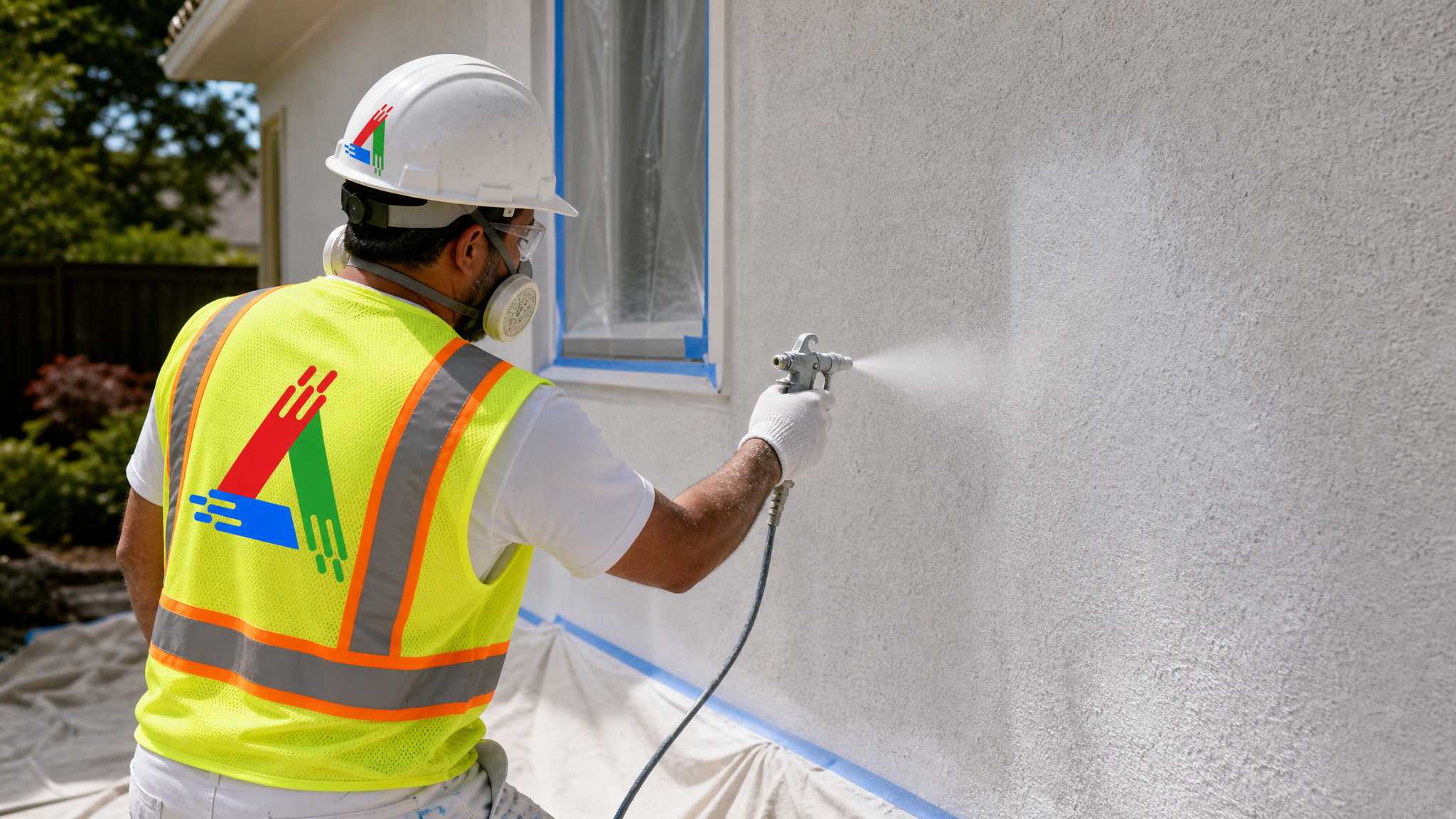
Because stucco is so textured, application technique is critical. The professional standard is to spray the paint on and immediately backroll it, meaning a second person follows the sprayer with a thick-nap roller to work the coating down into every pit and valley of the texture. Spraying alone lays paint on the peaks but leaves pinholes in the low spots; backrolling forces the film into full contact with the surface, which is what delivers both even coverage and long-term adhesion.
Two full coats are standard for painting stucco exterior walls, and on bare or colour-changing jobs a primer plus two coats is common. We plan the work face by face, keeping a wet edge and working with the sun rather than into it so the coating does not flash-dry before it can be backrolled. In a Toronto summer we start on the shaded elevations early and chase the shade around the house through the day. Coverage rates on stucco are far lower than on smooth surfaces; where a litre of paint might cover 10 to 12 square metres on drywall, heavy stucco texture can cut that nearly in half, which is why material estimates and quotes for stucco run higher than for flat siding.
The same disciplined, whole-house approach that we bring to interior repaints and house painting projects applies outside: protect everything, work systematically, and never rush the coats. Warm summer weather is ideal for this work because the coating cures properly, but extreme heat and direct midday sun on a dark wall can cause paint to skin over too fast, so timing each elevation matters.
What Painting Stucco Exterior Costs in the GTA in 2026
Pricing for painting stucco exterior walls in the Greater Toronto Area depends on the size of the home, the number of storeys, the condition of the existing stucco, the amount of crack repair required, and the coating chosen. As a rough 2026 benchmark, expect professional stucco painting to run roughly 4 to 8 dollars per square foot of wall area, with elastomeric systems and heavy repair pushing the top of that range. The figures below are typical full-service ranges including washing, patching, priming and two coats of premium paint.
| Home Size / Type | Approx. Wall Area | Typical 2026 Range | Timeline |
|---|---|---|---|
| Bungalow / small semi | 1,200-1,800 sq ft | $5,500 – $9,000 | 3-4 days |
| Two-storey detached | 2,000-3,000 sq ft | $9,000 – $16,000 | 4-6 days |
| Large / custom home | 3,500+ sq ft | $16,000 – $28,000+ | 6-10 days |
| Heavy repair / elastomeric add-on | Varies | +15-30% over base | +1-3 days |
These ranges assume good access; walls that require extensive scaffolding, extreme heights or difficult grading will cost more. The single biggest variable is condition. A sound wall that just needs washing and two coats sits at the low end, while a wall with widespread cracking, efflorescence or EIFS delamination needs repair work that adds both time and money. That is exactly why the upfront inspection matters, and why a written quote should itemize prep, repair, primer and paint rather than lumping everything into one vague number.
Making Your Stucco Finish Last a Decade or More
A properly executed stucco job should look excellent for 8 to 15 years, and a few simple habits push it toward the top of that range. Keep the surface clean by rinsing dust and pollen off once or twice a year, and address mildew on shaded walls promptly before it establishes. Keep sprinklers from constantly wetting the lower walls, maintain gutters and downspouts so water is directed away from the cladding, and trim back shrubs that trap moisture against the surface. Inspect the wall each spring for new hairline cracks and touch them up before they widen.
Most important, deal with any moisture intrusion at its source. The vast majority of stucco paint failures trace back to water getting behind the render through failed caulking, roof or flashing leaks, or grading that lets water pool at the base of the wall. Fixing those issues protects both the paint and the substrate underneath. When it is finally time to recoat, a well-maintained stucco surface needs far less prep, which keeps the next repaint affordable. All Painting stands behind its exterior work, and homeowners across the region can read what their neighbours say on our reviews page. We deliver the same standard of prep and finish whether we are working in downtown Toronto or out at a project handled by our Mississauga painters team.
Frequently Asked Questions About Painting Stucco Exterior Walls
How long does painting stucco exterior walls take on an average GTA home?
What is the best paint for painting stucco exterior surfaces in Toronto?
Do I need to prime stucco before painting?
Can stucco be painted in the summer heat?
How much does painting a stucco house cost in 2026?
How long will a professional stucco paint job last?
Book Expert Painting Stucco Exterior Service in Toronto and the GTA
If your stucco is faded, chalking or cracking, professional All Painting crews handle the full job the right way, from inspection and repair through priming, spraying and backrolling a premium, flexible finish built for Toronto’s climate. We treat every surface on its own terms and deliver a stucco result that protects your home and holds its colour for years.
Call us today at (416) 710-4224 or request a free quote to get started.
All Painting proudly serves Toronto, Mississauga, Oakville, Markham, Burlington, Hamilton, Richmond Hill and the GTA.