
A tired, weather-beaten fence can drag down the look of an entire property, and in the Greater Toronto Area our fences take a beating from freeze-thaw cycles, humid summers and relentless UV. Quality fence painting toronto homeowners can rely on is one of the most cost-effective ways to refresh a yard, protect the wood or metal underneath, and boost curb appeal before you list or simply enjoy the season. At All Painting, we have spent years coating cedar, pressure-treated pine, wrought iron and aluminum fences across Toronto and the surrounding suburbs, and the difference between a job that lasts eighteen months and one that lasts eight years almost always comes down to preparation, product selection and timing. Summer, with its long dry stretches and warm surface temperatures, is the ideal window for fence painting toronto property owners should take advantage of. This guide walks you through realistic 2026 pricing, the best paints and stains for our climate, the prep steps that actually matter, and what to expect when you hire a professional crew.
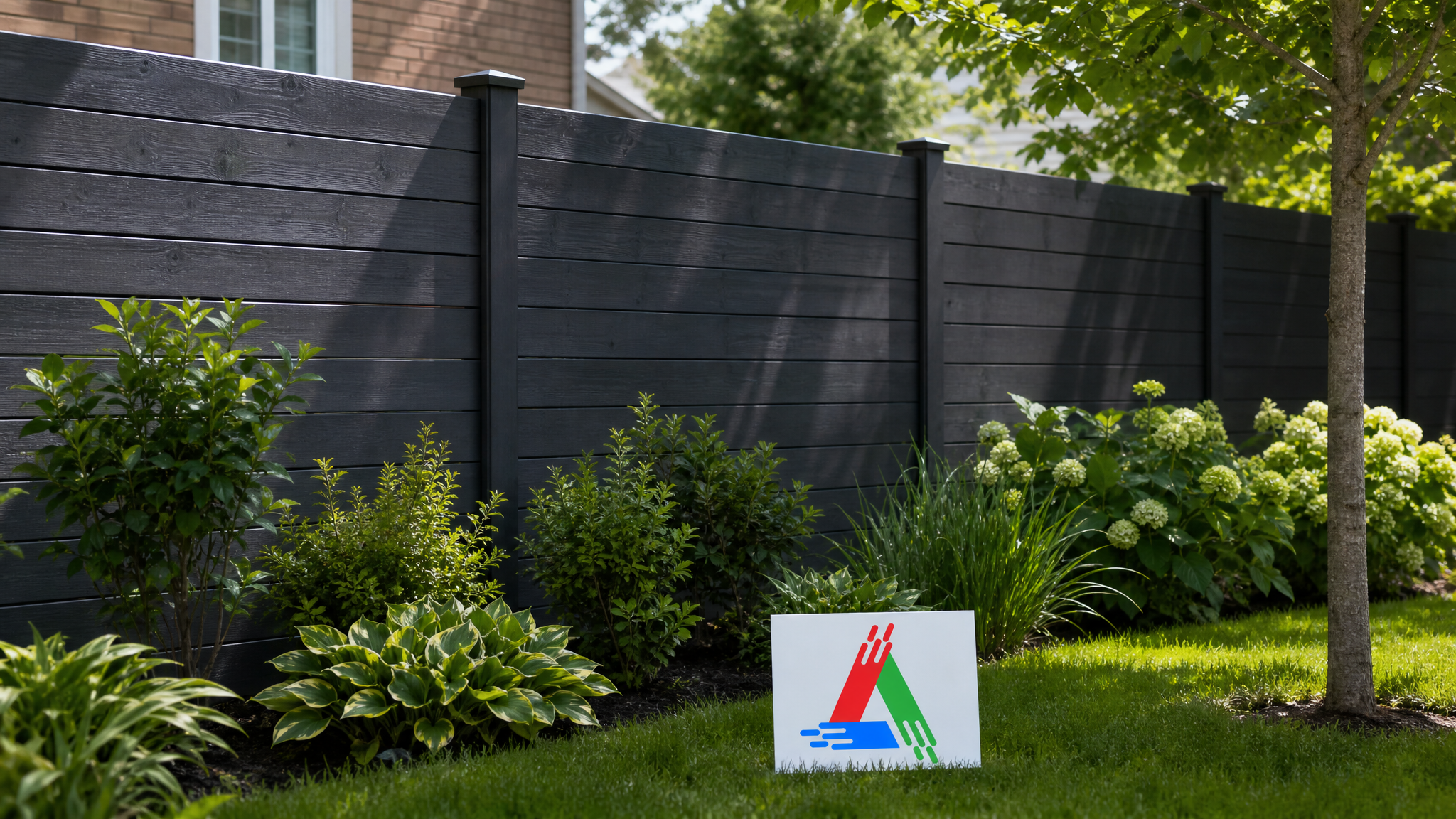
Why Fence Painting in Toronto Is a Warm-Season Job
The single biggest factor in a durable finish is temperature and moisture, which is exactly why fence painting toronto crews schedule the bulk of their exterior work between late May and early September. Most exterior fence paints and stains need surface temperatures between 10 and 30 degrees Celsius to cure properly, and the wood itself must be genuinely dry, not just dry to the touch. Cedar and pressure-treated lumber can hold moisture deep in the grain for days after rain, and sealing that moisture in leads to peeling, blistering and premature failure. Toronto summers give us the stable, dry, warm conditions that let coatings penetrate and cure the way the manufacturer intended.
Humidity still matters. A muggy 32-degree afternoon with a thunderstorm rolling in is not a good painting window, because the film can skin over before the solvent or water fully evaporates. Our crews watch the forecast closely and aim for a 48-hour dry window after application. Morning starts are ideal so that the finish has all day to set before the cooler, damper evening air arrives. This attention to timing is a large part of why professional fence painting toronto results outlast a rushed weekend DIY attempt.
Preparing the Fence: The Prep That Makes Paint Last
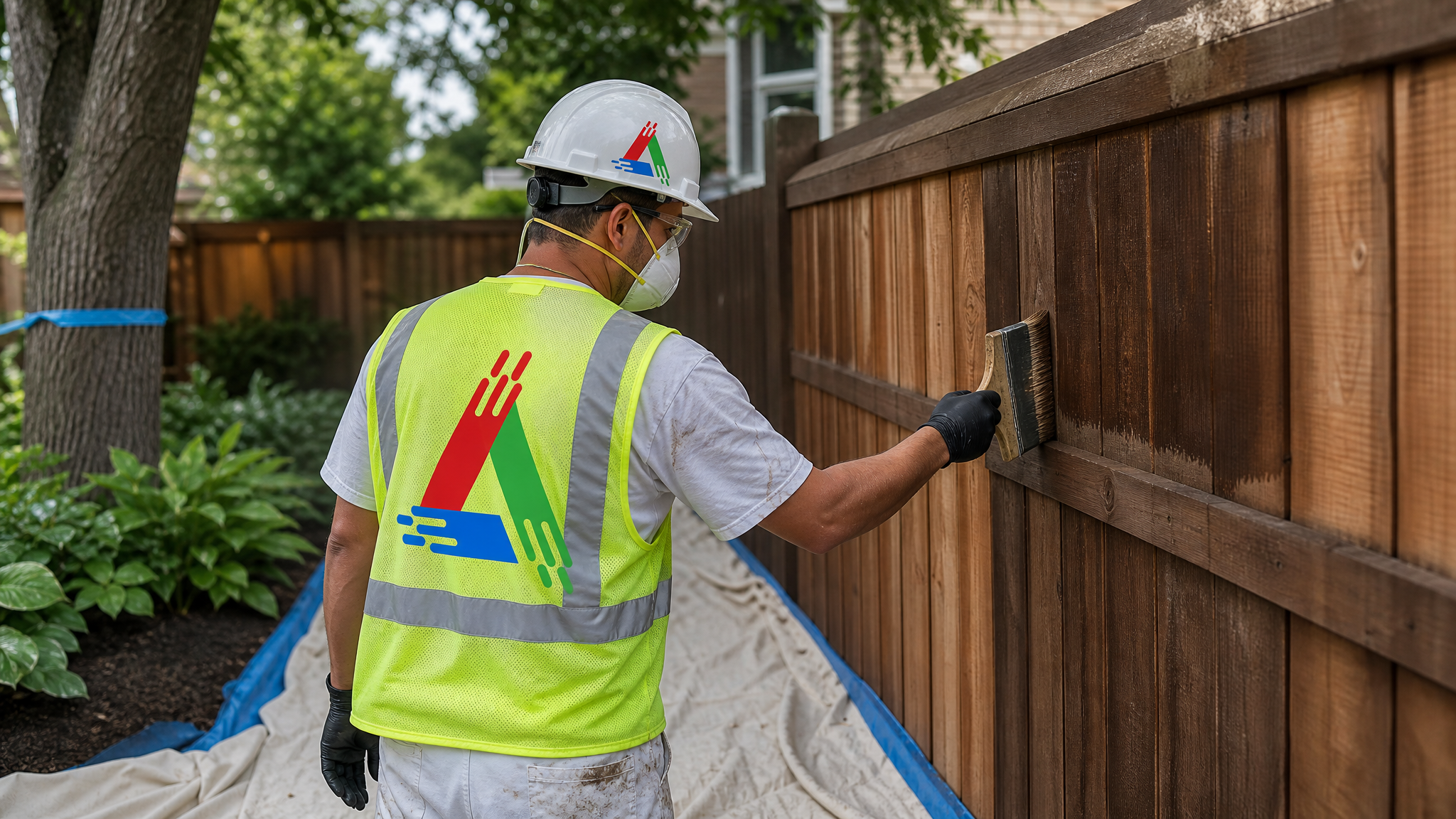
Preparation is where roughly seventy percent of the labour on any fence project lives, and it is the least glamorous but most important stage. Skipping it is the number one reason a fence needs recoating far too soon. Here is the sequence a professional crew follows before a single drop of finish goes on.
Cleaning. Every fence starts with a thorough wash to remove dirt, pollen, mildew, algae and chalky old coating. We typically use a low-to-moderate pressure wash paired with an appropriate cleaner, taking care not to gouge softwood like cedar with too aggressive a nozzle. Mildew and green algae, common on the shaded north side of GTA fences, must be killed with a suitable solution rather than simply painted over.
Scraping and sanding. Loose, flaking paint is scraped back to a sound edge, and glossy old finishes are dulled so the new coat can grip. Rough or splintered boards are sanded smooth, which also opens the wood grain to accept stain more evenly.
Repairs. Popped nails are reset or replaced with screws, wobbly posts are shimmed or reset, and badly rotted boards are swapped out. There is no point in coating a board that is failing structurally. If you are also refreshing other outdoor wood, the same crew handling your deck and fence staining can address both surfaces in one visit.
Priming. Bare or stain-blotchy wood, and any metal fence showing rust, gets a spot or full prime coat suited to the substrate. Cedar and redwood contain tannins that bleed through light-coloured paint, so a stain-blocking primer is essential when going with a solid painted look.
Masking. Finally, we protect adjacent surfaces, gardens, patios and neighbouring property with drop sheets and masking. Overspray on a neighbour’s siding or your interlock is exactly the kind of avoidable mess a professional crew prevents.
Paint Versus Stain: Choosing the Right Finish for GTA Fences
One of the first decisions in any fence painting toronto project is whether to use a solid paint, a solid-colour stain, or a semi-transparent stain. Each behaves differently on our wood species and in our climate, and the right choice depends on the fence material, its age, and the look you want.
Solid exterior paint gives the most colour choice and the most complete coverage, fully hiding the grain for a clean, uniform, contemporary look. Modern acrylic latex fence and trim paints are flexible and UV-stable. The trade-off is that paint forms a film on the surface, so when it eventually fails it tends to peel, which means more prep at recoat time. Paint is the usual choice for older fences with mismatched boards, for metal and aluminum fences, and for homeowners who want a bold charcoal, black or crisp white.
Solid-colour stain is a middle ground: it hides the grain like paint but soaks in more, so it wears by fading rather than peeling, making future recoats easier. It is an excellent choice for cedar privacy fences.
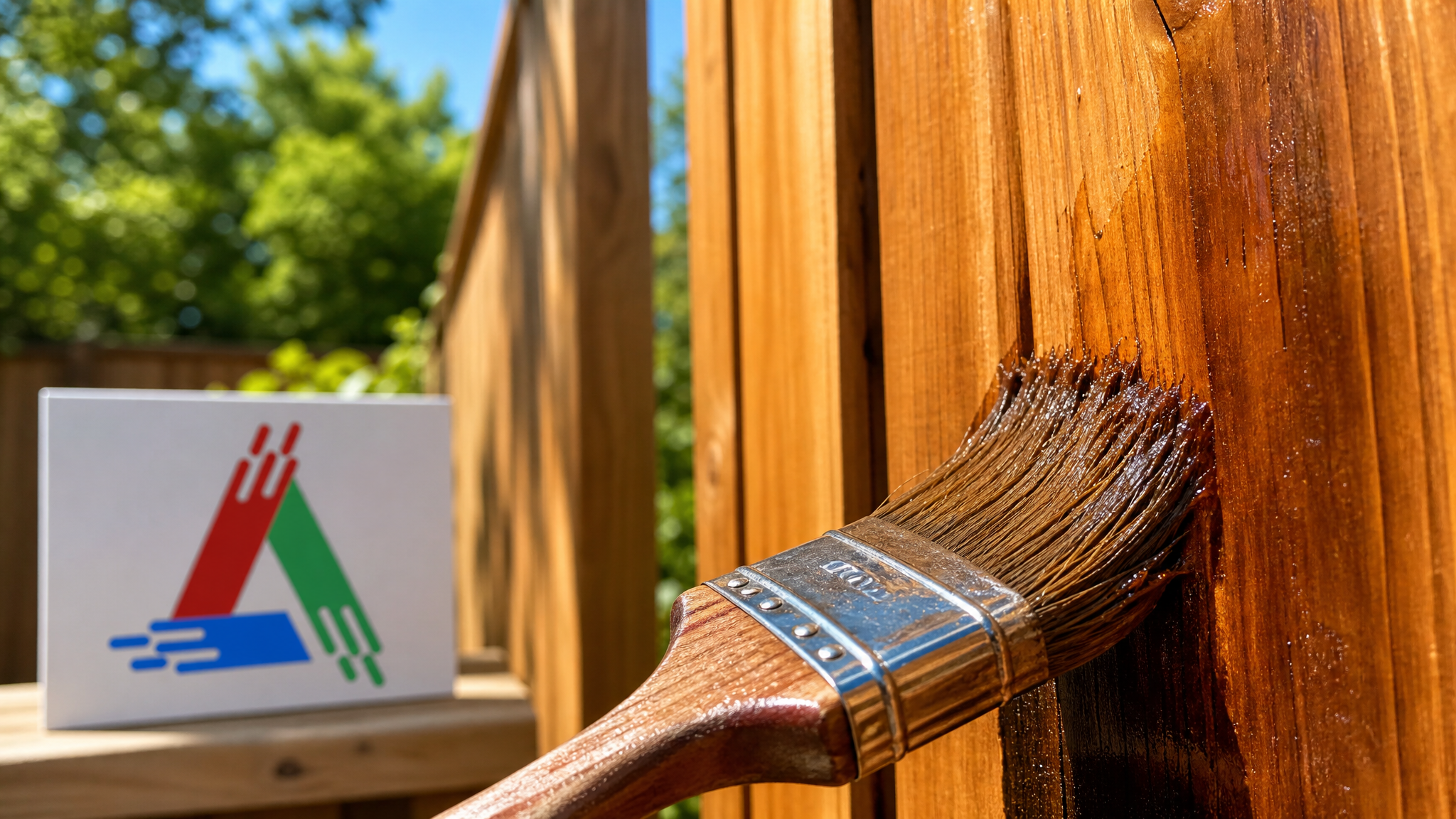
Semi-transparent stain lets the natural wood grain show through while adding colour and UV protection. It penetrates rather than films, so it never peels, but it needs more frequent refreshing, roughly every two to four years in full-sun Toronto exposures. If you love the natural cedar or pine look, this is the finish for you. The same product families used on fences also protect decks, and if you are considering the broader look of your home’s exterior painting, coordinating fence and trim colours pays off.
What Fence Painting in Toronto Costs in 2026
Pricing for fence painting toronto homeowners see in 2026 depends on linear footage, fence height, whether both sides are coated, the condition of the existing surface, and the finish chosen. Solid paint on a heavily peeling fence costs more than a fresh stain coat on sound cedar because of the extra prep. The table below reflects realistic professional ranges for the GTA, including materials, labour, cleaning and standard prep.
| Fence Type & Scope | Approx. Size | 2026 Price Range (CAD) | Typical Timeline |
|---|---|---|---|
| Small cedar fence, stain, one side | Up to 50 linear ft | $650 – $1,200 | 1 day |
| Standard backyard privacy fence, both sides | 80 – 120 linear ft | $1,600 – $3,200 | 1 – 2 days |
| Large property, solid paint, heavy prep | 150 – 250 linear ft | $3,500 – $6,500 | 2 – 4 days |
| Wrought iron or aluminum fence, rust prep + paint | Per 100 linear ft | $2,000 – $4,500 | 2 – 3 days |
| Add-on: pressure washing only | Any | $200 – $500 | Half day |
A few cost drivers to keep in mind: coating both sides roughly doubles the surface area and therefore the price; badly weathered or previously painted fences need extra scraping and priming; and lattice, spindle and picket designs take longer to cut in than flat board-on-board panels. Getting a written on-site quote is always more accurate than an online estimate, because our estimator can assess the actual condition of your wood.
Best Paints and Stains for Toronto Fences
Choosing a product rated for Canadian exterior conditions is critical. The GTA’s freeze-thaw swings and strong summer UV punish inferior coatings quickly. Below are the finish categories we most often recommend and where each performs best. Brand availability changes, so we specify by product type and quality tier rather than chasing a single label.
| Finish Type | Best For | Durability in GTA | Look |
|---|---|---|---|
| Premium acrylic latex exterior paint | Metal fences, older mismatched wood, bold colours | 6 – 8 years | Solid, grain hidden |
| Solid-colour acrylic stain | Cedar and pine privacy fences | 4 – 6 years | Solid, slight texture |
| Semi-transparent penetrating stain | New or good-condition natural wood | 2 – 4 years | Grain visible |
| Oil-modified alkyd stain | Rough-sawn cedar, maximum penetration | 3 – 5 years | Rich, natural |
| Direct-to-metal (DTM) enamel | Wrought iron, aluminum, chain-link frames | 7 – 10 years | Smooth, glossy |
Colour choice matters for longevity too. Very dark colours like charcoal and black look striking and are extremely popular in Toronto right now, but they absorb more heat and can fade faster in full southern exposure. Mid-tone greys, warm browns and greens tend to age most gracefully. Our estimators help you weigh the aesthetic you want against the exposure your fence actually gets, the same colour-matching expertise we bring to a full house painting project so your fence, trim and doors work together.
The Professional Fence Painting Process, Step by Step
When you hire a professional crew, fence painting toronto projects follow a repeatable, quality-controlled sequence. Knowing the stages helps you understand what you are paying for and why prep-heavy days come before the satisfying colour reveal.
| Stage | What Happens | Why It Matters | Typical Duration |
|---|---|---|---|
| 1. Assessment & quote | On-site measurement, condition check, finish selection | Accurate pricing, right product | 30 – 45 min |
| 2. Wash & dry | Pressure wash, mildew treatment, 24–48 hr dry | Removes contaminants, ensures adhesion | Half day + drying |
| 3. Prep & repair | Scrape, sand, reset fasteners, replace rotted boards | Sound substrate, smooth finish | Half to full day |
| 4. Prime | Spot or full priming, tannin blocking | Prevents bleed-through and rust | Half day |
| 5. Coat & inspect | Spray, brush or roll two coats; back-brush; final walkthrough | Even coverage, warranty-grade result | 1 – 2 days |
Application method depends on the fence. Spraying followed by back-brushing works the finish into the grain and gives the fastest, most even coverage on large runs, while intricate iron and lattice work is often brushed for control. Two coats are standard for a durable, even colour; a single coat almost never delivers the coverage or lifespan homeowners expect.
Timelines, Weather and Ongoing Maintenance
Most residential fence projects wrap up in one to three working days, with an additional drying window built in after washing. Because summer weather in the GTA is generally cooperative, scheduling is more predictable than in the shoulder seasons, though we always keep an eye on incoming storms. A well-executed fence painting toronto project is not a one-and-done affair, but the maintenance is modest. Give the fence a rinse each spring to clear pollen and grime, spot-treat any nicks or scuffs promptly, and plan a maintenance recoat on the schedule shown in the products table. Semi-transparent stains need refreshing more often than solid paint, but they also make recoating simpler because there is no peeling film to strip.
Whole-property projects often bundle the fence with other outdoor and indoor work while a crew is already on site. Homeowners frequently pair fence work with brick painting or refresh interior spaces at the same time. All Painting serves communities right across the region, so whether you are booking Mississauga painters, Oakville painters or a crew closer to the core, you get the same prep-first standard. You can read verified customer feedback on our reviews page to see how our fence and exterior work holds up.
Frequently Asked Questions
How much does fence painting toronto cost in 2026?
Is summer the best time for fence painting toronto projects?
Should I paint or stain my Toronto fence?
How long does a fence painting job take?
Why does prep matter so much for fence painting?
How often should I repaint or re-stain my fence?
Book Expert Fence Painting in Toronto This Summer
A properly prepped and coated fence protects your investment, sharpens your curb appeal and can transform the feel of your entire yard. The team at All Painting brings prep-first discipline, climate-appropriate products and clean, respectful workmanship to every fence we touch across the GTA, and summer is the perfect time to get it done.
Call us today at (416) 710-4224 or request a free quote to get started.
All Painting proudly serves Toronto, Mississauga, Oakville, Markham, Burlington, Hamilton, Richmond Hill and the GTA.