
Few upgrades transform a home’s curb appeal as dramatically as painting brick house exteriors, and across Toronto and the GTA it has become one of the most requested projects we see each summer. A tired, mismatched or heavily patched brick facade can make an otherwise well-kept home look dated, while a crisp coat of exterior masonry paint can turn the same house into the best-looking property on the street. Painting a brick house is not, however, a decision to make on a whim. Brick is porous, permanent and unforgiving of shortcuts, so the right products, preparation and technique matter enormously. In this guide we walk through the real costs in 2026, the honest pros and cons, the step-by-step process our crews follow, and the finish and product choices that hold up through Toronto’s freeze-thaw winters and humid summers.
Whether you have a 1920s red-brick semi in Leslieville, a painted-once-badly bungalow in Etobicoke, or a large detached home in Mississauga, understanding what goes into painting brick house surfaces properly will help you budget, plan and hire with confidence. This is the same guidance our estimators give homeowners every day, distilled into one place.
Why Consider Painting a Brick House in Toronto?
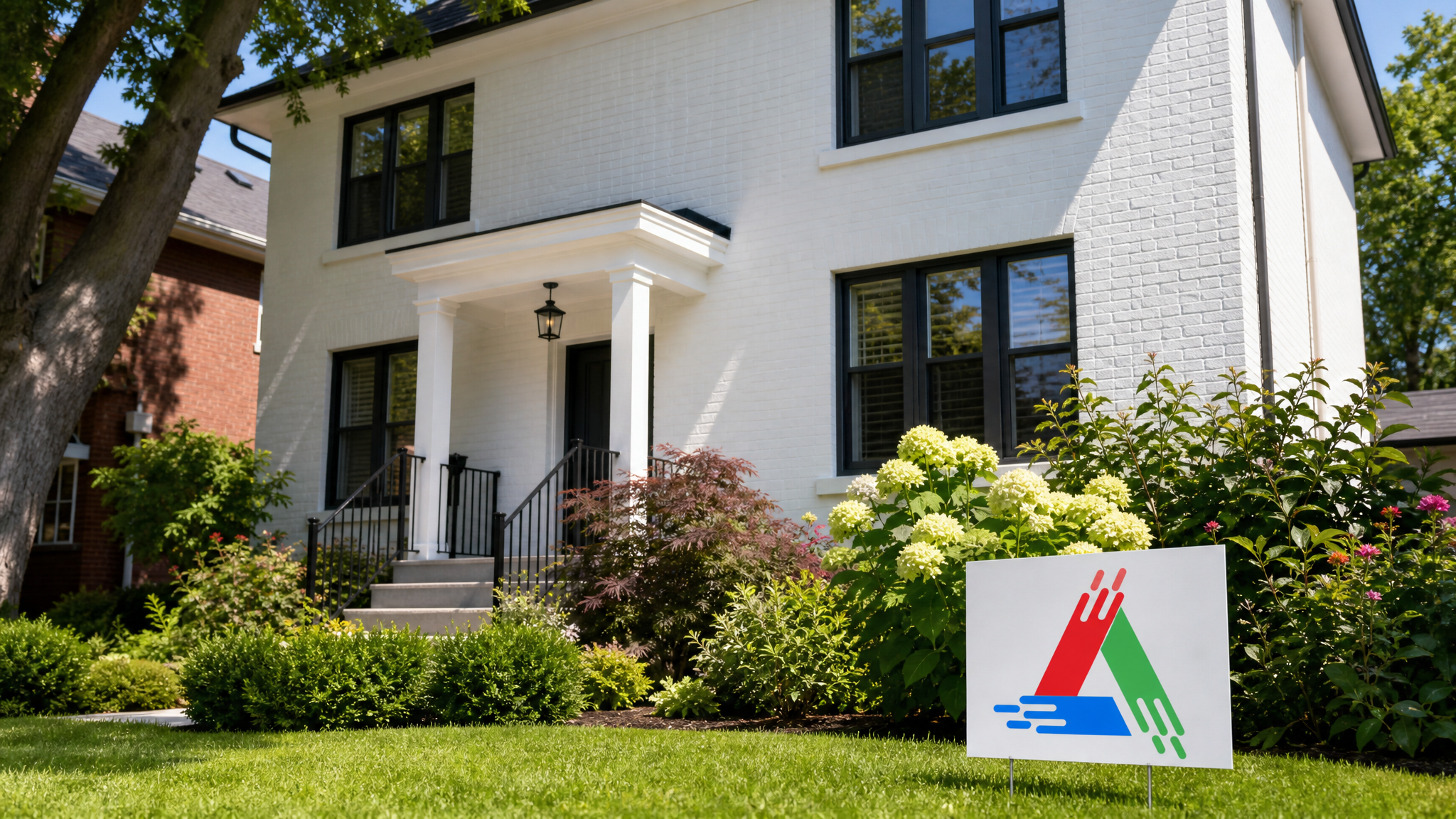
The number one reason homeowners look into painting a brick house is appearance. Older GTA brick comes in colours and blends that simply do not suit contemporary tastes: orange-red multi-blends, blotchy patch repairs where a window or door was moved, or brick that has been previously painted a colour the current owner dislikes. Painting brick house exteriors gives you a clean, uniform, custom colour that ties the whole home together, and it is far less expensive than re-cladding or replacing the brick entirely.
Beyond looks, there are practical motivations. A quality breathable masonry coating adds a protective layer that helps shed water, resist UV fade and bridge fine hairline cracks in the mortar. For homes where earlier repairs left mismatched brick or where efflorescence (the white chalky mineral bloom) keeps returning, a proper paint system, applied after the underlying moisture issue is addressed, can deliver a consistent, maintainable surface. Painting a brick house can also brighten a dark, north-facing home and make it feel larger and more current.
The five thoughts we ask every homeowner to weigh before booking are simple: Is the brick sound and dry? Do you understand that paint on brick is essentially permanent? Are you choosing a breathable product? Is the prep being done properly? And are you hiring a crew that specializes in exterior brick painting rather than treating it like ordinary siding? Answer those honestly and you will avoid nearly every problem people associate with painted brick.
Pros and Cons of Painting a Brick House
Painting brick is a genuinely permanent commitment. Once paint penetrates the porous surface, stripping it later is expensive, messy and rarely fully successful. That permanence is why an honest look at both sides matters before you commit. The table below lays out the trade-offs we discuss with every client considering painting a brick house.
| Advantage | Consideration / Drawback |
|---|---|
| Dramatic, instant curb-appeal upgrade and custom colour | Essentially permanent — very difficult and costly to reverse |
| Hides mismatched, patched or previously painted brick | Requires ongoing maintenance and repainting every 8–15 years |
| Adds a protective, water-shedding, UV-resistant layer | Wrong (non-breathable) paint can trap moisture and cause spalling |
| Far cheaper than re-cladding or replacing brick | Poor prep leads to peeling, flaking and blotchy coverage |
| Brightens dark homes and modernizes dated facades | Loses the natural, maintenance-free character of raw brick |
The single most important line in that table is the moisture point. Brick and mortar need to breathe; they naturally absorb and release small amounts of water. If you seal them with a rigid, film-forming product not designed for masonry, trapped moisture can freeze in winter, expand and pop the face off the brick, a failure called spalling. This is why product selection and dry, sound brick are non-negotiable, and why professional exterior painting on masonry is worth the investment.
How Much Does Painting a Brick House Cost in Toronto (2026)?
Cost is usually the first question, and the honest answer is that painting a brick house varies widely with the size of the home, the condition of the brick, access and the number of coats required. Brick is thirsty — its porous, textured surface drinks paint and needs more material and labour than smooth siding, so brick projects sit at the higher end of exterior work. The 2026 GTA ranges below reflect professional-grade breathable products, full surface prep, and proper priming.
| Home Type / Scope | Approx. Brick Surface | Typical 2026 GTA Price Range |
|---|---|---|
| Small bungalow or semi (front facade only) | 400–700 sq ft | $2,500 – $4,500 |
| Detached bungalow (full exterior) | 1,200–1,800 sq ft | $6,000 – $10,000 |
| Two-storey detached home (full exterior) | 2,000–3,000 sq ft | $9,000 – $16,000 |
| Large or heavily detailed home | 3,000+ sq ft | $15,000 – $25,000+ |
| Accent only (porch, columns, trim brick) | Varies | $900 – $2,200 |
Several factors push a painting brick house quote up or down. Heavily soiled or previously painted brick that is peeling needs extra scraping, washing and priming. Homes taller than two storeys or with difficult access require more staging and safety setup. Extensive mortar repair (repointing) before painting is a separate masonry cost. Conversely, a single clean front facade in good condition is quick and affordable. Because brick is so absorbent, we almost always budget for a dedicated masonry primer plus two finish coats — skimping on coats is the fastest route to a blotchy, short-lived result. For a full-home refresh that also touches wood trim, soffits and doors, bundling brick with broader house painting often lowers the per-square-foot rate.
The Painting Brick House Process Step by Step
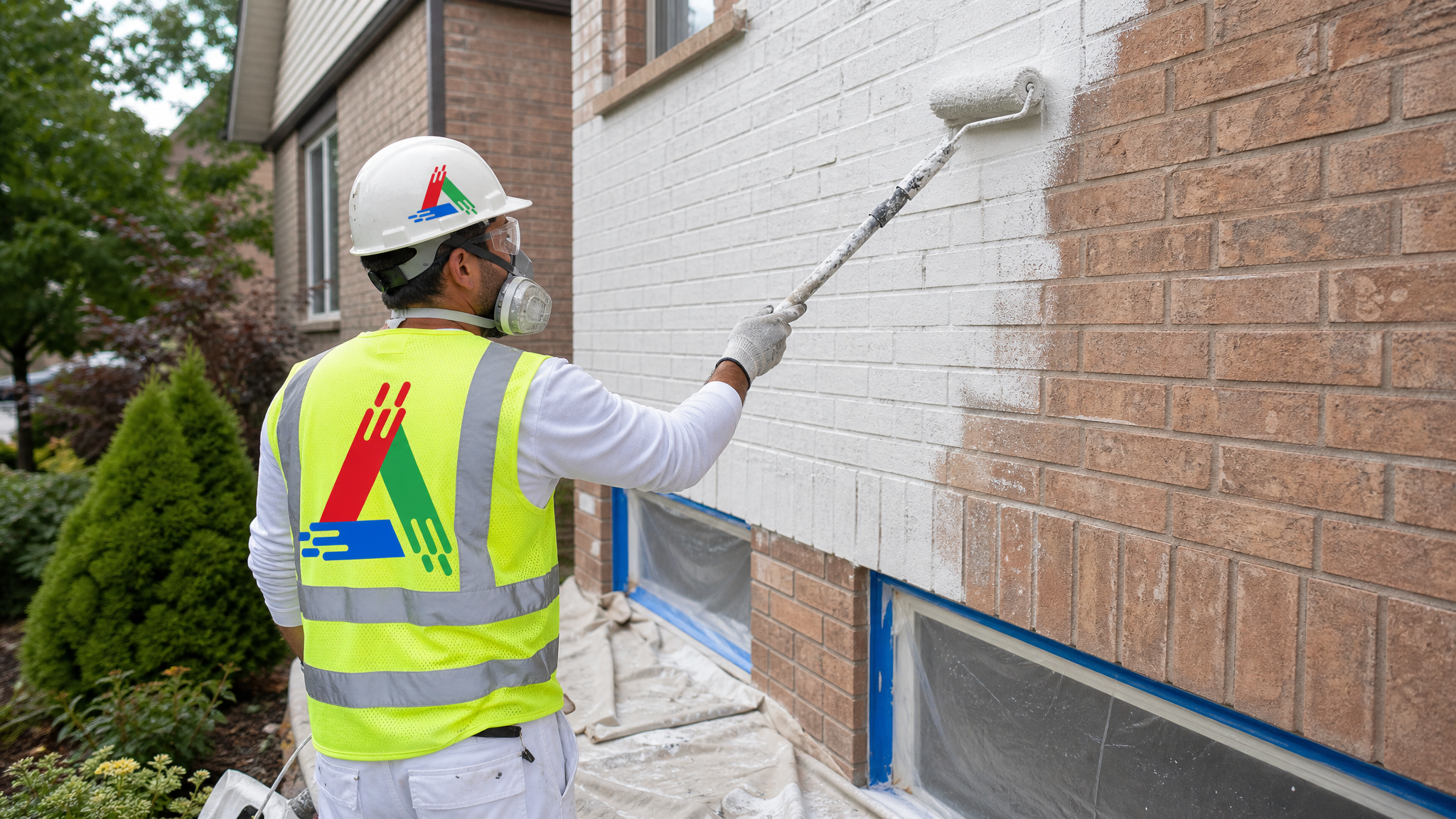
A durable result on brick is 70 percent preparation. When people say painted brick “always peels,” they are almost always describing a job where the surface was dirty, damp or unprimed. Here is the process our crews follow when painting a brick house across the GTA.
1. Inspection and moisture check. We examine the brick and mortar for cracks, spalling, loose pointing and signs of persistent moisture or efflorescence. Any water intrusion is diagnosed and resolved first, because painting over a moisture problem simply seals it in.
2. Repairs and repointing. Crumbling mortar joints are raked out and repointed, hairline cracks are filled with a flexible masonry patch, and any spalled faces are addressed. The wall must be structurally sound before a drop of paint goes on.
3. Thorough cleaning. The entire surface is pressure-washed (or, on fragile older brick, gently hand-washed) to remove dirt, chalk, mildew and loose material. Efflorescence is scrubbed off dry. The brick is then given ample time to dry completely — often two to three warm summer days — because brick holds moisture deep in its pores.
4. Masking and protection. Windows, doors, landscaping, walkways and roof edges are masked and covered with drop sheets. Clean lines against trim and glass are what separate a professional job from a DIY one.
5. Masonry primer. A high-quality alkali-resistant masonry primer is applied to seal the porous surface, block staining and give the topcoat something to grip. On bare or chalky brick this step is essential.
6. Two finish coats. A breathable, elastomeric or mineral-based masonry paint is applied in two full coats, usually sprayed and back-rolled to work paint into the texture and mortar joints for complete, even coverage.
7. Detailing and cleanup. Cut-in lines are checked, touch-ups completed, masking removed and the site left clean. A final walkthrough confirms coverage and colour consistency in daylight.
Choosing the Right Paint and Finish for GTA Brick
Product choice makes or breaks a painting brick house project. Toronto’s climate is demanding: humid summers, driving rain, and a brutal freeze-thaw cycle that punishes any coating that traps water. The two families of coating we recommend are breathable acrylic-elastomeric masonry paints and mineral (silicate) paints. Both let the wall release moisture while resisting water from outside. What you should avoid is ordinary interior-grade or non-masonry exterior paint, which can form a tight film and lead to peeling and spalling.
| Coating Type | Best For | Finish & Durability |
|---|---|---|
| Breathable acrylic-elastomeric masonry paint | Most GTA brick homes; bridges hairline cracks | Flat to low-sheen; 10–15 years |
| Mineral / silicate paint | Historic and heritage brick; maximum breathability | Matte, natural look; 15–20 years |
| Masonry stain (semi-transparent) | Keeping some natural brick texture and tone | Very breathable, penetrating; 7–10 years |
| Limewash | Soft, weathered European aesthetic | Matte, mottled; refresh every 5–7 years |
On finish, most homeowners choose a flat or low-sheen look because it reads as natural and hides the surface’s minor imperfections, while higher sheens highlight every ripple in the brick. Colour matters too: soft warm whites, greiges, charcoals and deep classic tones are the perennial favourites on GTA streets, and lighter shades reflect summer heat and keep the facade cooler. Our estimators will sample two or three colours on your actual wall so you can see them in real Toronto daylight before committing. The same expertise carries over to related surfaces such as aluminum siding and painted trim, so a whole-home colour scheme stays cohesive.
Summer Timing and Weather Considerations
Summer is the ideal season for painting a brick house in Toronto, and July is prime time. Masonry coatings need dry substrate and moderate, stable temperatures to cure properly, and the long, warm days between late spring and early autumn give brick time to fully dry after washing and give each coat time to set before the next. We aim for surface temperatures roughly between 10 and 30 degrees Celsius and steer clear of painting in direct blazing midday sun on a dark wall, which can flash-dry the paint before it bonds.
Rain is the main scheduling variable. Brick must be bone-dry going in, and freshly applied coats need several dry hours to become rain-resistant, so we watch the forecast closely and build in drying buffers after pressure-washing. Booking early in the summer is wise because exterior calendars fill quickly once the warm weather arrives across the GTA. A typical full-home painting brick house project runs three to six working days depending on size, condition and drying time — with more allowance for larger homes or extensive prep.
Maintaining Your Painted Brick and Getting It Right the First Time
Once your brick is painted, upkeep is straightforward but not zero. Plan on a gentle wash once a year to rinse off dust, pollen and mildew, and a walk-around each spring to spot any hairline cracks or touch-up needs early. A properly executed painting brick house project with breathable product and full prep should hold its colour and integrity for roughly 10 to 15 years before a refresh coat is due — far longer than a rushed job that starts flaking within a couple of seasons.
Because painted brick is permanent, the smartest money you can spend is on getting it right the first time. That means sound, dry brick, correct repointing, a real masonry primer, breathable topcoats and an experienced crew that back-rolls the texture rather than lightly spraying and moving on. Homeowners from Toronto to Mississauga and Oakville come to us specifically because we treat brick as its own discipline. If you are weighing painting a brick house against living with a dated or mismatched facade, a professional consultation will tell you honestly whether your brick is a good candidate and exactly what the project should cost.
Is painting a brick house a good idea in Toronto?
How much does painting a brick house cost in the GTA in 2026?
Will painting brick cause it to trap moisture or spall?
How long does painted brick last before it needs repainting?
Can you paint a brick house in the summer?
Can painted brick be returned to natural brick later?
Ready to Start Painting Your Brick House? Talk to Toronto’s Brick Painting Experts
If you are considering painting a brick house anywhere in the GTA, All Painting brings the masonry-specific prep, breathable products and detail-focused finishing that make painted brick look flawless and last for years. Our estimators will assess your brick, sample colours on your actual wall and give you a clear, honest 2026 quote with no surprises.
Call us today at (416) 710-4224 or request a free quote to get started.
All Painting proudly serves Toronto, Mississauga, Oakville, Markham, Burlington, Hamilton, Richmond Hill and the GTA.